
Nov. 02, 2026

19 Min read

Loan

Share :


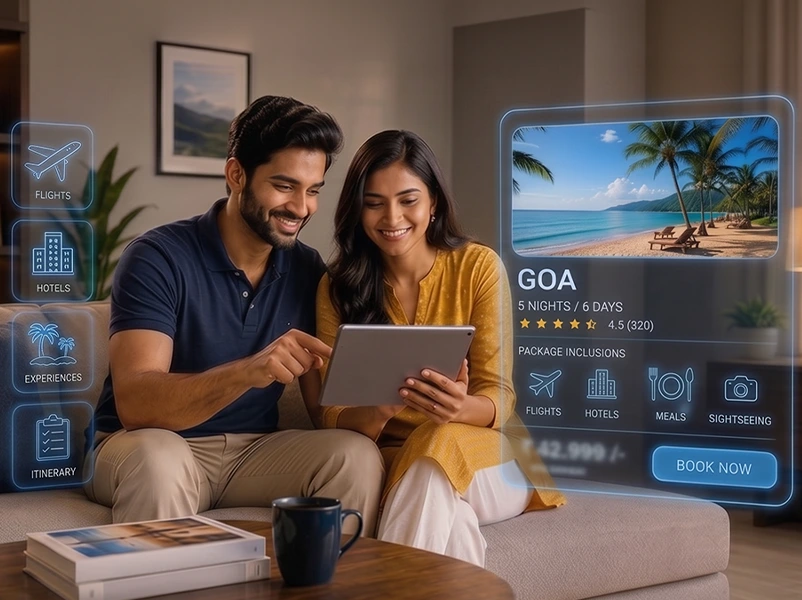
Weddings in India rarely stay inside the budget that was drawn up on the first evening, because the venue, the catering, the outfits, the jewellery, the photographers and the travel all keep growing as the guest list grows, and this guide looks at how a personal loan can sit alongside your savings and family support to cover the gap without pushing your finances out of balance.
It explains what a marriage loan actually is, how the wedding loan interest rate and the personal loan processing fees work, who is eligible on the Finkeda Prime app, how to plan personal loan repayment around the busy months after the ceremony and how the prepayment of a personal loan can bring the total cost down once the shagun and gifts have come in, with EMI examples, comparison tables and a step-by-step application walkthrough. It is written for brides and grooms who are planning their own celebration as well as for parents who are arranging one, and it does not assume any background in finance.
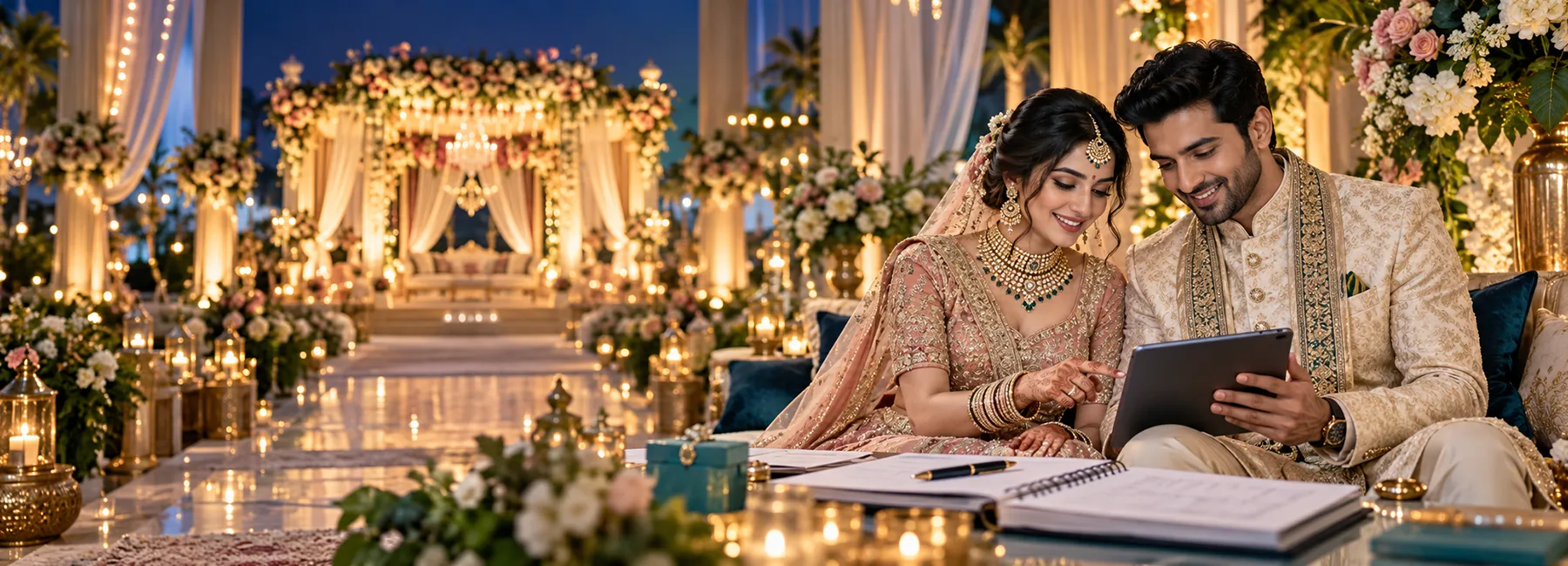
Neha and Arjun sat down on a Sunday evening in June with a notebook, a cup of tea each and a wedding date in February, and by the time the tea had gone cold they had a number on the page that made both of them go quiet, because the estimate for the venue, the food, the clothes, the photographers, the jewellery and the travel for relatives coming from out of town added up to about ₹12 lakh while their combined savings were closer to ₹5.5 lakh. Neither of them wanted to shrink the celebration into something they would regret later, and neither of them wanted to break every fixed deposit they had built over six years, so the conversation moved, the way it does for a great many Indian couples, to the question of borrowing.
This guide follows that conversation from the first rough estimate to the last EMI, and it treats a personal loan as one tool among several and not as a miracle solution, because a loan that is sized badly can turn a happy year into a stressful one, while a loan that is sized well can simply move a few payments forward in time so that the wedding happens on schedule and the savings stay where they are.
Short answer: a personal loan works best for a wedding when it covers a modest, clearly defined share of the budget, when the monthly EMI sits comfortably inside your income, and when you already know which money (a bonus, a maturing deposit, shagun) will be used to close the loan early. It works badly when it is used to stretch a budget that was already too large for the family to carry.
In India there is usually no separate regulatory category called a wedding loan, and the terms marriage loan, wedding loan and personal loan for marriage are simply different names for a personal loan that the borrower intends to spend on a wedding, which means that the interest rate, the processing fee, the tenure and the eligibility rules are those of the personal loan itself and not of some special occasion product.
Because a personal loan is unsecured, you do not pledge gold, property or a fixed deposit to get it, and because the lender generally does not restrict how the money is used, the amount can go towards the venue booking, the caterer’s advance, the decorator, the photographer, the outfits, the jewellery or the honeymoon, whichever bill happens to arrive first. The loan can be taken by the bride, the groom or a parent, as long as the person applying meets the lender’s income, age and credit criteria, and that last point matters more than most families expect, since the wedding budget may belong to the whole family while the loan can only ever be approved on one person’s profile.
Very few people pay for a wedding from one source and the families that do it best tend to assemble a combination of two, three or four. It helps to see where the loan fits among the alternatives before looking at it in detail.
| Source | Where it helps | What to watch |
| Savings and deposits | No interest cost and no EMI, and the money is already yours. | Breaking a fixed deposit early can cost you interest, and spending the emergency fund leaves nothing for the first months after the wedding. |
| Family contributions | Usually interest-free and flexible on timing | Amounts and dates are informal, so it is easy for the plan to depend on money that arrives late. |
| Shagun and gifts | Often a large sum, mostly in cash | It arrives after the ceremonies, when most vendors have already been paid, so it cannot fund the booking stage. |
| Loan against assets or gold | Rates are usually lower because something is pledged. | You risk the pledged asset if repayments stop, and the process needs valuation and paperwork. |
| Credit card | Handy for vendor payments and reward points | It becomes one of the costliest ways to borrow if you carry a balance past the due date |
| Personal loan | Unsecured, arranged digitally and repaid in monthly EMIs | The rate is higher than for secured loans, and the EMIs begin whether or not the gifts have come in |
The biggest practical strength of a personal loan is timing, because wedding bills are front-loaded in a way that family income and gifts are not: the venue wants an advance months ahead, the caterer and the decorator want theirs a little later, the jeweller and the tailor want payment before delivery, and the shagun that could cover much of it does not arrive until the ceremonies are over, so a lump sum in the bank account at the right moment closes a gap that no amount of careful budgeting can close by itself.
Predictability comes next, since a fixed EMI over a fixed number of months lets you write the repayment into your monthly budget and know the date on which it ends, and there is also the matter of leaving your long-term investments alone, which many families value because a fixed deposit or a mutual fund that is left to grow tends to do more for a couple over the next ten years than it would ever do as a chandelier and a marquee.
None of this makes the loan cheap, and it would be dishonest to pretend that it does, because an unsecured loan at 18% to 24% a year costs noticeably more than the same amount borrowed against gold or property, which is why the sensible approach is to borrow the smallest amount that solves the timing problem and to keep the tenure as short as your monthly budget allows.
Here is what the personal loan through Finkeda Prime app looks like based on the current personal loan policy:
| Feature | Details |
| Loan amount | ₹50,000 to ₹5,00,000 |
| Repayment tenure | 24 to 36 months |
| Interest rate | 18% to 24% a year, depending on your profile |
| Processing fee | Up to 3% of the loan amount, plus applicable taxes |
| Repayment | Monthly EMIs |
| Collateral | Not required |
| Co-borrower | Not required |
| Checks | Credit bureau check, analysis of the last 6 months of bank statements, video KYC and a video personal discussion |
Note: Loan amount, tenure, interest rate, fees and eligibility criteria are indicative and subject to applicable lender terms. The actual offer shown in the Key Fact Statement (KFS) will prevail.
The ₹5,00,000 loan limit means that a ₹12 lakh wedding would require additional sources of funding, because a wedding that costs ₹12 lakh cannot be financed by this loan alone, and that is precisely why the earlier table of funding sources matters: the loan is best understood as the piece that covers a defined gap, such as the advances that fall due before the family money arrives, and not as the whole plan.
The eligibility for a personal loan for marriage through Finkeda Prime is the same as it is for any other purpose, and the policy looks at a handful of things that are easy to check yourself before you apply:
| Criteria | Requirement |
| Age | 21 to 58 years. |
| Employment | Salaried. |
| Minimum income | ₹15,000 per month. |
| Work experience | About 3 years overall, with at least 2 in the current company. |
| Credit score | 650 or above. If you are new to credit, you may still be considered when your bank statements show enough eligibility. |
| Existing EMIs | Total EMIs, including the new one, should not be more than 50% of income (FOIR). |
| Bank statements | The last 6 months, which are analysed to arrive at the decision. |
Note: Eligibility criteria are indicative and may vary based on the lender’s assessment and applicable policy. Meeting these criteria does not guarantee loan approval.
We can see the 50% limit in Neha and Arjun’s numbers. Working with Neha and Arjun’s numbers is worthwhile. Suppose Arjun earns ₹65,000 a month and already pays ₹6,000 towards a two-wheeler EMI, which means that half of his income, ₹32,500, leaves room for about ₹26,500 of new EMI, and a ₹3 lakh wedding loan at the top of the rate range needs ₹11,770 a month over 36 months, so his combined burden would come to ₹17,770, or roughly 27% of his income, which is within the stated limit.
Where both partners are salaried, either applicant may be assessed based on their income, credit profile, existing obligations, and the lender’s eligibility criteria.
To apply in the name of the one with the stronger profile, meaning the longer work history, the cleaner credit report and the lower existing EMIs, and a salaried parent who meets the same criteria can also apply on behalf of a family that is paying for a child’s wedding, since what the lender assesses is the borrower and not the occasion.
The interest rate for a personal loan through Finkeda Prime falls between 18% and 24% a year, and where a particular borrower lands within that band depends on the profile that comes out of the credit and bank statement checks, so two colleagues asking for the same amount on the same day can be shown different rates. The rate matters, but for a wedding budget the tenure is almost as important, and the table below shows why:
| Loan amount | Tenure | Rate | Monthly EMI | Total interest |
| ₹3,00,000 | 24 months | 18% | ₹14,977 | ₹59,454 |
| ₹3,00,000 | 24 months | 24% | ₹15,861 | ₹80,672 |
| ₹3,00,000 | 36 months | 18% | ₹10,846 | ₹90,446 |
| ₹3,00,000 | 36 months | 24% | ₹11,770 | ₹1,23,715 |
| ₹3,00,000 | 36 months | 18% | ₹18,076 | ₹1,50,743 |
| ₹3,00,000 | 36 months | 24% | ₹19,616 | ₹2,06,191 |
Note: EMI and interest figures are illustrative and may vary based on the applicable interest rate, tenure, fees, taxes and disbursal terms.
Read the first and third rows together, and the trade-off becomes visible: at 18%, the same ₹3 lakh costs ₹14,977 a month over 24 months but ₹10,846 a month over 36 months, an EMI difference of ₹4,131, while the total interest rises from ₹59,454 to ₹90,446, which is an extra ₹30,992 paid for the comfort of a smaller monthly instalment.
Applicants should compare different tenures and consider the EMI, total interest and overall repayment obligation before selecting a tenure. whose EMI you can pay without touching your savings, and it is worth trying both ends of the range on the summary screen of the app before you accept, since the EMI it shows is the figure your bank account will actually be asked for every month.
Along with the interest, the personal loan processing fees through Finkeda Prime can go up to 3% of the loan amount, plus applicable taxes, and because the fee is charged once and up front, it is easy to overlook when the EMI looks manageable, so the table below turns the percentage into rupees:
| Loan amount | Processing fee (up to 3%, before taxes) |
| ₹1,00,000 | Up to ₹3,000 |
| ₹2,00,000 | Up to ₹6,000 |
| ₹3,00,000 | Up to ₹9,000 |
| ₹4,00,000 | Up to ₹12,000 |
| ₹5,00,000 | Up to ₹15,000 |
Note: Processing fees shown are indicative and may be subject to applicable taxes and lender terms. Actual charges will be disclosed in the Key Fact Statement (KFS).
To see the whole cost in one place, take a ₹3 lakh loan at 20% over 36 months, where the EMI is ₹11,149, the interest over the full term is ₹1,01,367 and the fee can be up to ₹9,000, which brings the total cost of borrowing to roughly ₹1.10 lakh on top of the ₹3 lakh that you receive. Depending on how the lender collects the fee, it may be deducted from the amount that is disbursed and not added to the EMI, so check on the summary screen how much will actually reach your account. Charges for late or bounced payments are set out in the loan agreement and should be reviewed before accepting the loan.
Returning to Neha and Arjun, their ₹12 lakh estimate can be met from three places without any single one of them being stretched too far, and the split they settled on looks like this:
| Source | Amount | Share of budget |
| Couple’s own savings | ₹5,50,000 | About 46% |
| Contribution from both families | ₹3,50,000 | About 29% |
| Personal loan | ₹3,00,000 | 25% |
| Total wedding budget | ₹12,00,000 | 100% |
Note: This is an illustrative example only. Actual loan eligibility, EMI, interest and repayment obligations will depend on the applicant’s profile and applicable lender terms.
They chose a 36-month tenure based on the illustrative EMI range and their assumed income. Depending on the interest rate shown in the app, the estimated EMI would range from ₹10,846 to ₹11,770. They also considered a processing fee of up to ₹9,000 when deciding how much of their savings to set aside. The plan is based not only on the loan amount but also on keeping the borrowing to about a quarter of their overall budget, with the EMI accounting for less than a fifth of Arjun’s income. They also plan to use part of the shagun received after the wedding toward prepayment in the following months, as discussed in the prepayment section below.
Personal loan repayment happens through a monthly EMI that combines a portion of the principal with the interest for that month, and in the early months a larger share of each instalment goes towards interest, which is one reason why prepaying early in the life of the loan saves more than prepaying near the end.
The practical habits are simple and worth setting up on the day the loan is disbursed and not later: Register the auto-debit so that the EMI leaves your account on its date without you having to remember it, choose an EMI date that falls just after your salary credit and not just before it, and keep at least two months of EMIs as a cushion in the same account, because a single bounced payment is recorded against you, and, as the approval checks later in this guide show, lenders look very closely at bounces.
The months right after a wedding are expensive in ways that no budget quite anticipates, with the honeymoon, the return travel, the gifts for the extended family, the first festival together and the setting up of a home all arriving within a few weeks of each other. Applicants should consider whether the EMI remains manageable alongside their other expenses after the weddings. In those months as well and not only in the months when you are planning.
If a payment is missed, the consequences are set out in the loan agreement, and they typically include late payment charges and a negative mark on your credit report. Such delays may affect future credit applications. will be applied by the next lender who looks at your report, whether that lender is offering a home loan or a car loan, so an EMI missed in the first year of marriage can quietly follow the couple for a long time.
Note: Prepayment figures are illustrative and assume no applicable prepayment charge. Actual savings and outstanding amounts may vary as per the loan agreement.
Prepayment means paying back some or all of the loan before the scheduled date, and it comes in two forms: a part-payment that reduces what you owe and either shortens the tenure or lowers the EMI, and a full closure that ends the loan altogether. For a wedding loan, prepayment may help reduce the outstanding principal and, depending on the applicable terms, the overall Interest cost. Since the money that arrives after the ceremonies in the form of shagun, a bonus or a maturing deposit can go straight back into reducing the interest bill.
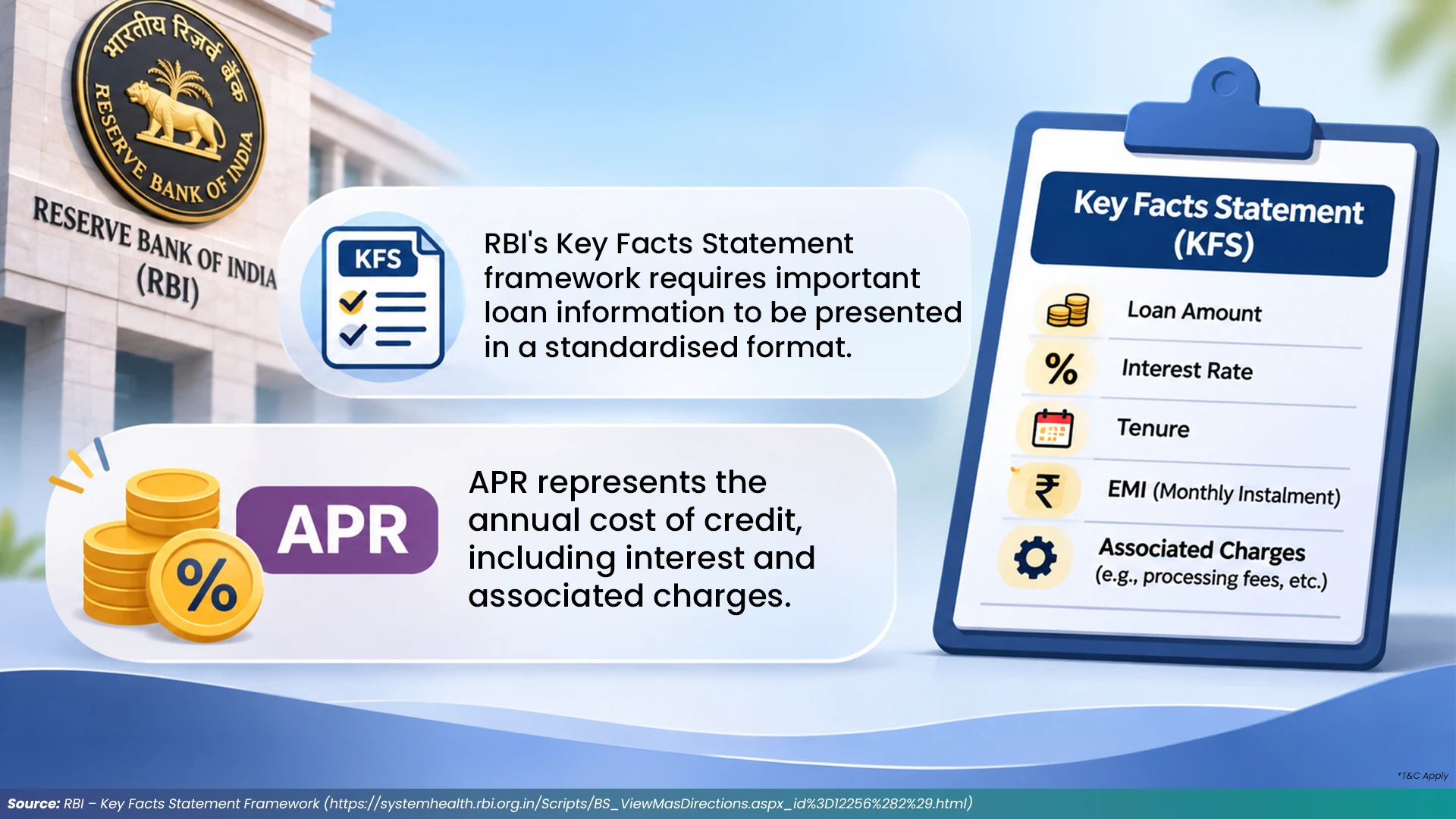
Whether it costs anything depends on the type of loan, because under the Reserve Bank of India’s Pre-payment Charges on Loans Directions, 2025, which apply to loans sanctioned or renewed on or after 1 January 2026, banks and NBFCs cannot charge prepayment penalties on floating-rate loans taken by individuals for non-business purposes, while a fixed-rate loan may still carry a charge according to the lender’s policy, provided that it is disclosed up front in the sanction letter, the loan agreement and the Key Fact Statement. Whether your loan is fixed or floating, and what the prepayment terms are, will therefore be written in those documents. The applicable prepayment terms should be checked in the Key Fact Statement and loan agreement before accepting the loan.
To see what prepayment can do, take the ₹3 lakh loan at 20% over 36 months, with an EMI of ₹11,149, and assume that after 12 EMIs the couple decides to use some of their shagun:
| Option | Remaining EMIs | Interest still to pay | What changes |
| Continue as scheduled. | 24 | About ₹48,500 | Nothing changes. |
| Prepay ₹1,00,000 and keep the EMI unchanged. | About 12 | About ₹13,100 | The loan ends about a year early and saves about ₹35,400. |
| Close the loan in full (outstanding about ₹219,000). | None | Nil | Saves the remaining interest of about ₹48,500. |
These figures assume no prepayment charge and that the lender allows a part-payment while leaving the EMI as it is, and they are rounded, so the actual numbers in your loan account will differ slightly. Under these assumptions, the illustration shows how a prepayment may reduce the remaining interest cost. : a single well-timed payment of ₹1 lakh in the second year removes about three-quarters of the interest that was still to come.
Loan applications may be assessed based on factors such as credit history, income, existing obligations and bank apply for Personal Loans through Finkeda Prime lists the usual checkpoints quite plainly:
| Check | What the lender looks for |
| Overdue on existing loans | Overdue amount should not go beyond ₹5,000 |
| Late payments (active accounts) | No 30+ days late in the last 3 months and no more than 60+ days late in the last 6 months. |
| Serious delays (all accounts) | No 90+ days late in the last 12 months, active or closed. |
| Settlements and write-offs | None on any term loan in the last 12 months. |
| Recent personal or business loans | Not more than 1 such loan started in the last 6 months. |
| Loan enquiries | Not more than 3 in the last 30 days. |
| Bounced payments | No EMI bounce in the last 90 days, at most 2 EMI bounces and 3 bounces overall in the last 180 days, and at most 1 bounce in the last 90 days. |
Since wedding dates are fixed and loan approvals are not, the kindest thing you can do for yourself is to prepare well ahead of the first booking, and a simple timeline helps:
| When | What to do |
| 3 to 4 months before booking | Check your credit report, clear any small overdues and stop applying for new cards or loans. |
| 2 months before booking | Make sure your bank statements show no bounced EMIs or cheques, and use the EMI table above to settle on an amount and tenure. |
| Application day | Apply once, with the last 6 months of bank statements ready. |
| After disbursement | Set up the auto-debit, keep every vendor receipt, and note the date on which you plan to prepay. |
The application process can be completed through the Finkeda Prime app, subject to the applicable process and lender requirements, and the sequence below is the same whether the loan is for a wedding or anything else:
| # | Step | What you do |
| 1 | Install and register | Download the Finkeda Prime app from the Google Play Store and register with your primary mobile number. |
| 2 | Verify your identity. | Enter your details and complete paperless KYC, keeping your last 6 months of bank statements ready and expecting a video KYC. |
| 3 | Choose amount and tenure. | Enter the amount you need, between ₹50,000 and ₹5,00,000, and pick a tenure of 24 to 36 months. |
| 4 | Read the summary. | Check the interest rate, the processing fee and the EMI before going further, along with the Key Fact Statement and the most important terms, and ask if anything is unclear. |
| 5 | Confirm with an OTP. | Complete the required OTP-based verification and authorisation for the loan agreement. |
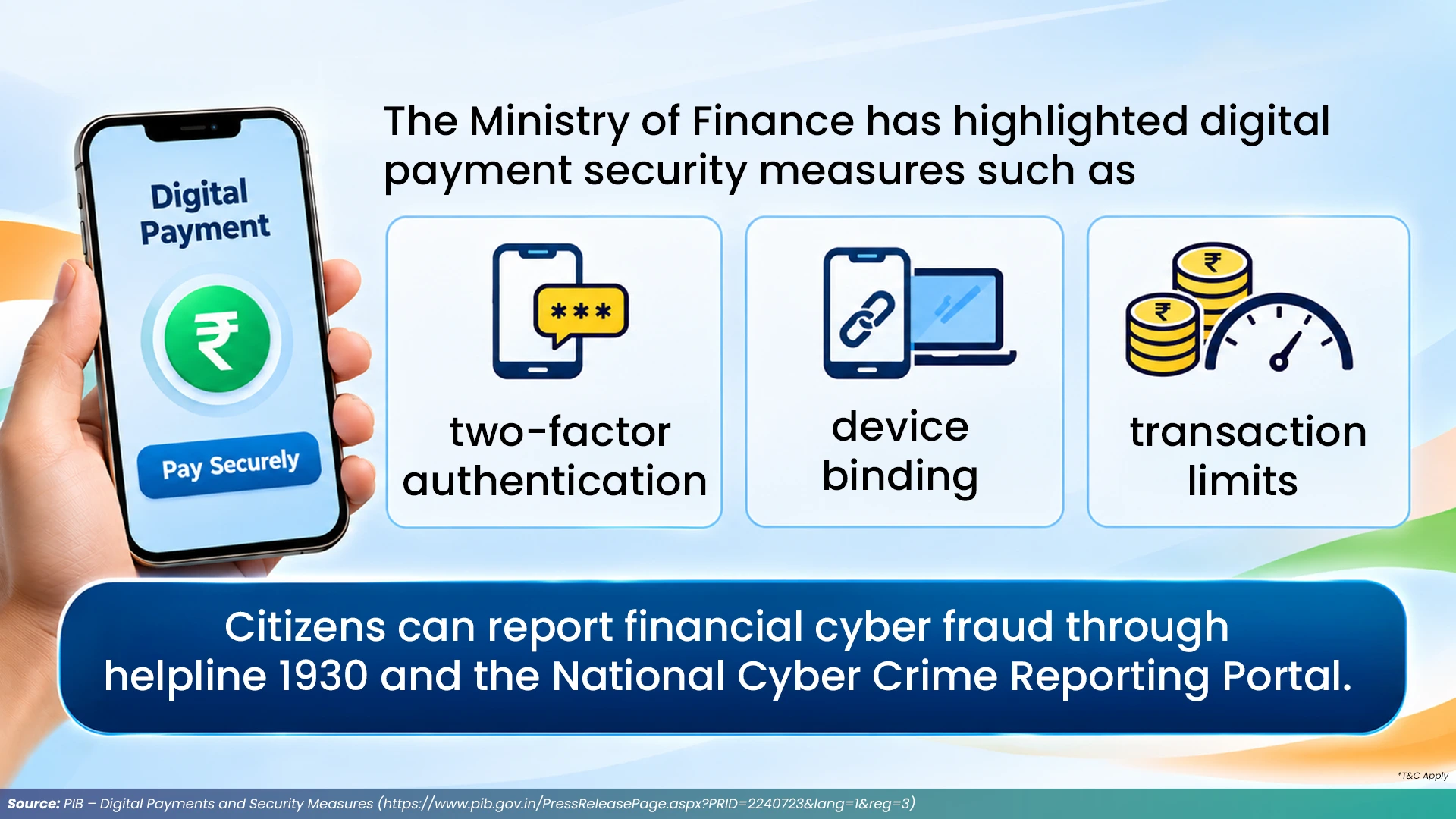
One safety habit worth building before any wedding loan: never share your OTP, card PIN or CVV with anyone, including a caller who says they are from customer support, and never pay an “approval fee” to a personal account or UPI ID.
Borrowing to fill the whole budget: The most common mistake is to treat the loan as the answer to a budget that was too large in the first place, when the healthier order is to decide what the family can afford from its resources and to borrow only for the timing gap that remains.
Choosing the longest tenure by reflex: A 36-month loan has the smallest EMI, but as the table showed, it can cost tens of thousands of rupees more in interest than a 24-month loan for the same amount, so it deserves a deliberate choice and not a default.
Counting on shagun to pay the EMIs: Gifts are welcome, but they are uncertain in amount and timing, and an EMI is neither, so the loan should be sized to fit the income and not the hoped-for gifts, with any shagun treated as a bonus that can be used for prepayment.
Applying in several places at once: Every application leaves an enquiry on the credit report, and the policy allows no more than three loan enquiries in 30 days, so spreading applications across five lenders in a week can turn an approvable profile into a rejected one.
Skipping the paperwork: The interest rate, the processing fee, the fixed or floating nature of the rate and any prepayment charge are all written in the Key Fact Statement and the loan agreement. Reviewing these documents before accepting the loan can help you understand the applicable costs and terms.
Ignoring the months after the wedding: An EMI that looks fine while you are planning can feel heavy in the first quarter of married life, when several other costs arrive together, so it helps to test the number against those months and not only against a normal one.
A personal loan may be considered as one source of funding for wedding expenses, subject to the applicant’s eligibility and repayment capacity, provided that it is sized to cover a defined gap, that the EMI sits well inside your income, that you have read what it will cost in interest and fees, and that you have a plan to shorten it once the gifts and bonuses have come in, and it is a poor choice when it is used to carry a budget that the family could not have afforded in the first place.
If you have run the numbers and a personal loan still makes sense for your wedding, the Finkeda Prime app lets you register, complete your KYC, choose an amount and tenure and see the rate, the fee and the EMI before you accept anything, so you can decide with the actual figures in front of you and not with an estimate.
*Terms and conditions apply. Loan approval and disbursal are at the sole discretion of the lending partner. Please read the Key Fact Statement and the most important terms and conditions before accepting any loan.
Yes. A personal loan may be used for permitted personal expenses, subject to the applicable lender terms and conditions.
In most cases it is not. Marriage loan and wedding loan are simply names for a personal loan taken for a wedding, and the interest rate, fee, tenure and eligibility are those of the personal loan.
The personal loan ranges from ₹50,000 to ₹5,00,000, repaid over 24 to 36 months, and the amount you are offered depends on your income, credit profile and existing EMIs.
Personal loans facilitated through Finkeda Prime are unsecured (no co-borrower required), subject to partner lender approval and eligibility criteria.
Yes, if the parent who applies is salaried, aged between 21 and 58 and meets the income, work experience and credit criteria, since the lender assesses the person who borrows and not the purpose.
The loan agreement sets out the charges for late or missed payments, and the delay can be reported to credit bureaus, which can affect your ability to get a loan later, so it is best to keep an EMI buffer in the account and to contact the lender early if you expect a problem.
You can ask to prepay part or all of the loan. Whether a prepayment charge applies depends on whether the loan is fixed or floating rate and on the lender’s policy, and it will be disclosed in your Key Fact Statement and loan agreement.
Interest on a personal loan used for personal expenses such as a wedding is generally not eligible for a tax deduction. Tax treatment may vary based on individual circumstances, so please consult a qualified tax professional.
Disclaimer: This blog is for general information only and does not constitute financial, legal or tax advice. Loan amount, interest rate, fees, tenure and eligibility are subject to lender policies and individual assessment. Examples and calculations are illustrative, and actual costs may vary.
The Key Fact Statement (KFS) and loan agreement will prevail over any information in this blog. Loan approval and disbursal are at the sole discretion of the lending partner. Please review all applicable terms before accepting a loan.
This is not an offer or solicitation. Terms and conditions apply.
Share :
Like:
0