
Sep. 01, 2026

6 Min read

Digital Banking

Share :


Micro ATMs are small portable banking machines that allow merchants and business correspondents to offer basic banking services in places where conventional bank branches or ATMs are difficult to access. Instead of a customer interacting with the machine directly, a merchant operates the Micro ATM device on behalf of a customer, validating their identity through a debit card and PIN. This enables basic banking facilities to reach people in semi-urban and rural India and provides a simple low-cost way to get into the mini ATM business for retailers, kirana store owners, and CSC operators, who can earn a commission on every transaction. This blog will tell you what a Micro ATM is, how a Micro ATM machine works step-by-step, what the services of a Micro ATM are, who can operate a Micro ATM, and how safe these transactions actually are.
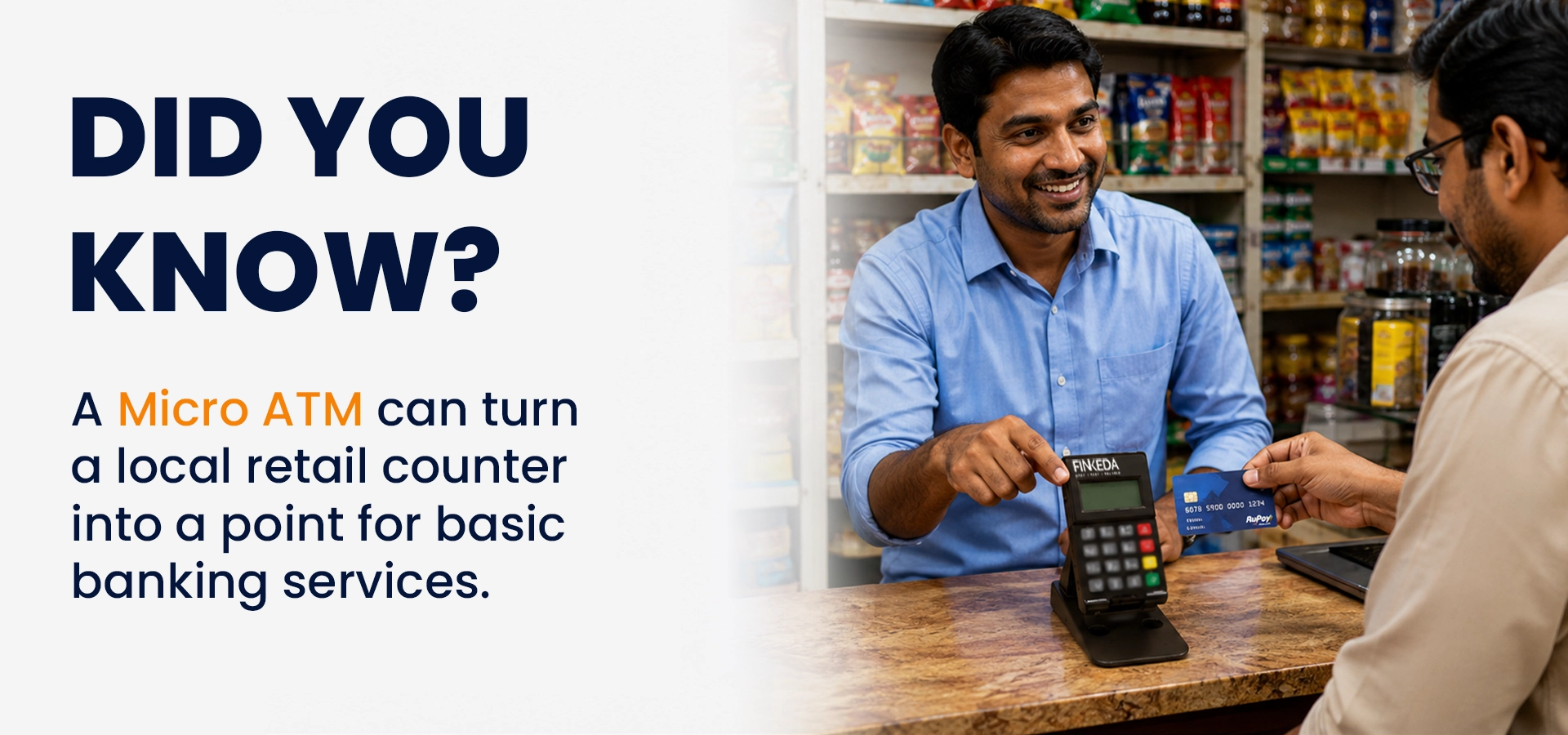
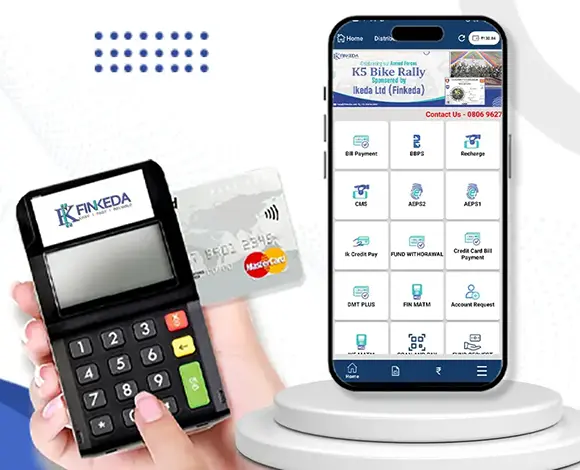
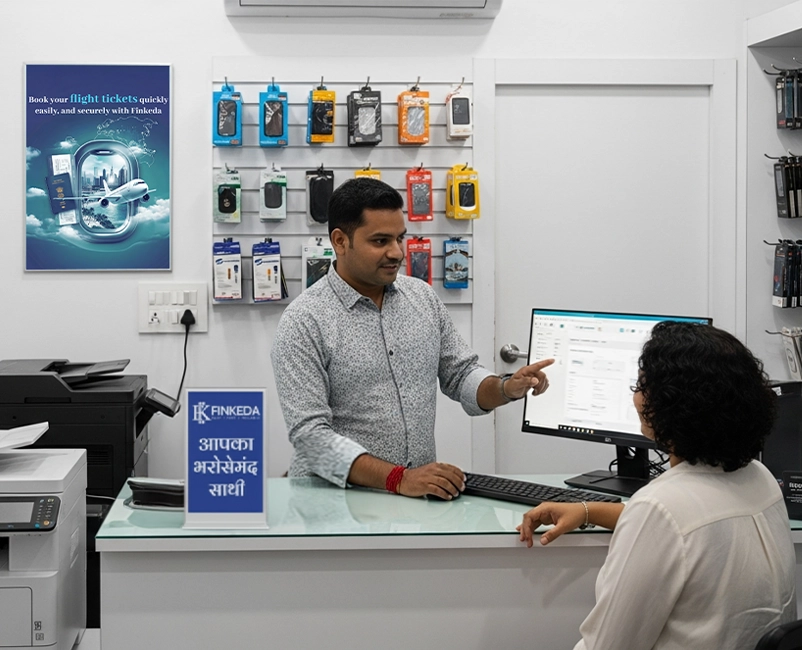
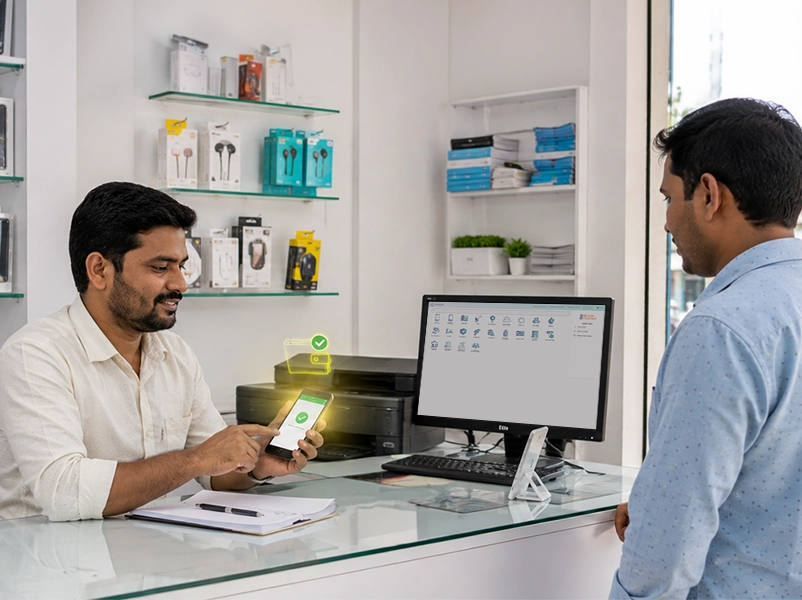
A local store can be converted into a mini banking point by installing a Micro ATM, a small handheld device. It connects to the bank’s network via mobile data and allows a merchant to perform a cash withdrawal or balance inquiry for a customer.
A Micro ATM is operated by a trained merchant or business correspondent, as opposed to a traditional automated teller machine (ATM), which is used by the customer independently in a fixed kiosk. This model enables the deployment of Micro ATMs in villages, tribal areas, and Tier-3/Tier-4 towns where setting up a full-size ATM is not feasible. All transactions are secured through two-factor authentication, maintaining the same security standards as traditional ATM banking.
Setting up a Micro ATM business is one of the easiest ways for merchants to generate a steady income stream through transaction commissions while serving the local community. To get started, a merchant only needs a smartphone, an active internet connection, basic KYC documents, and a partnership with a trusted service provider like Finkeda. This makes it one of the most feasible options for merchants.
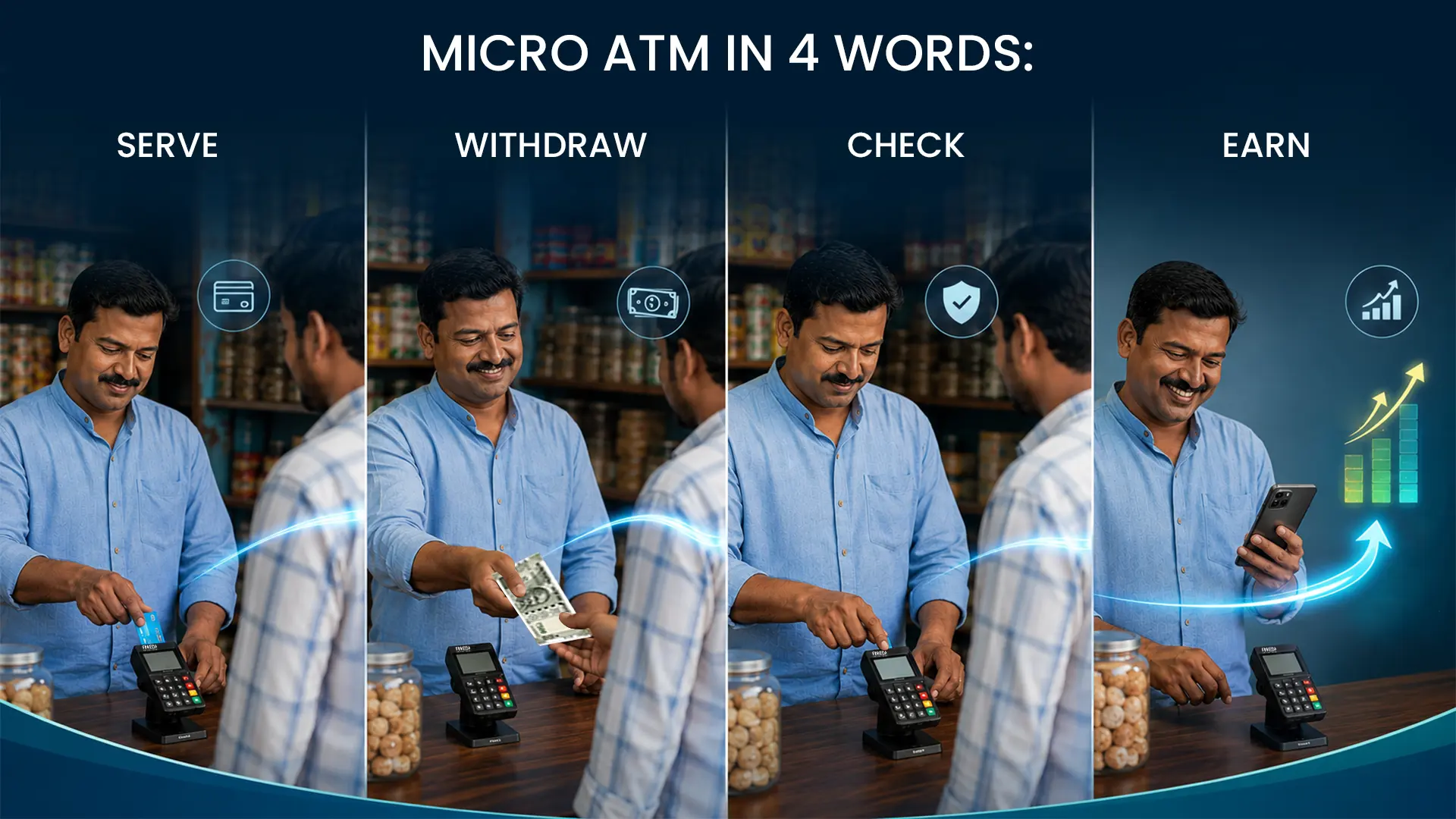
Millions of people in India’s rural and semi-urban areas still struggle to reach traditional automated teller machines (ATMs) and bank branches. There is a Micro ATM machine that fills the void. It is a small and portable device that can convert any local shop into a mini banking point. It enables customers to withdraw cash, check their balance, and do transactions using their bank debit card without the need to visit a bank. The aim of this guide is to describe the Micro ATM, how the device works, the services it provides, and how merchants can build a Mini ATM business around it.
A Micro ATM is essentially a small, portable version of online banking. It is not directly operated by customers but a merchant or business correspondent (BC). Once the customer shares their debit card the merchant will assist the customer in completing the transaction through the Micro ATM device, while the customer securely enters their own PIN to authorise the transaction.
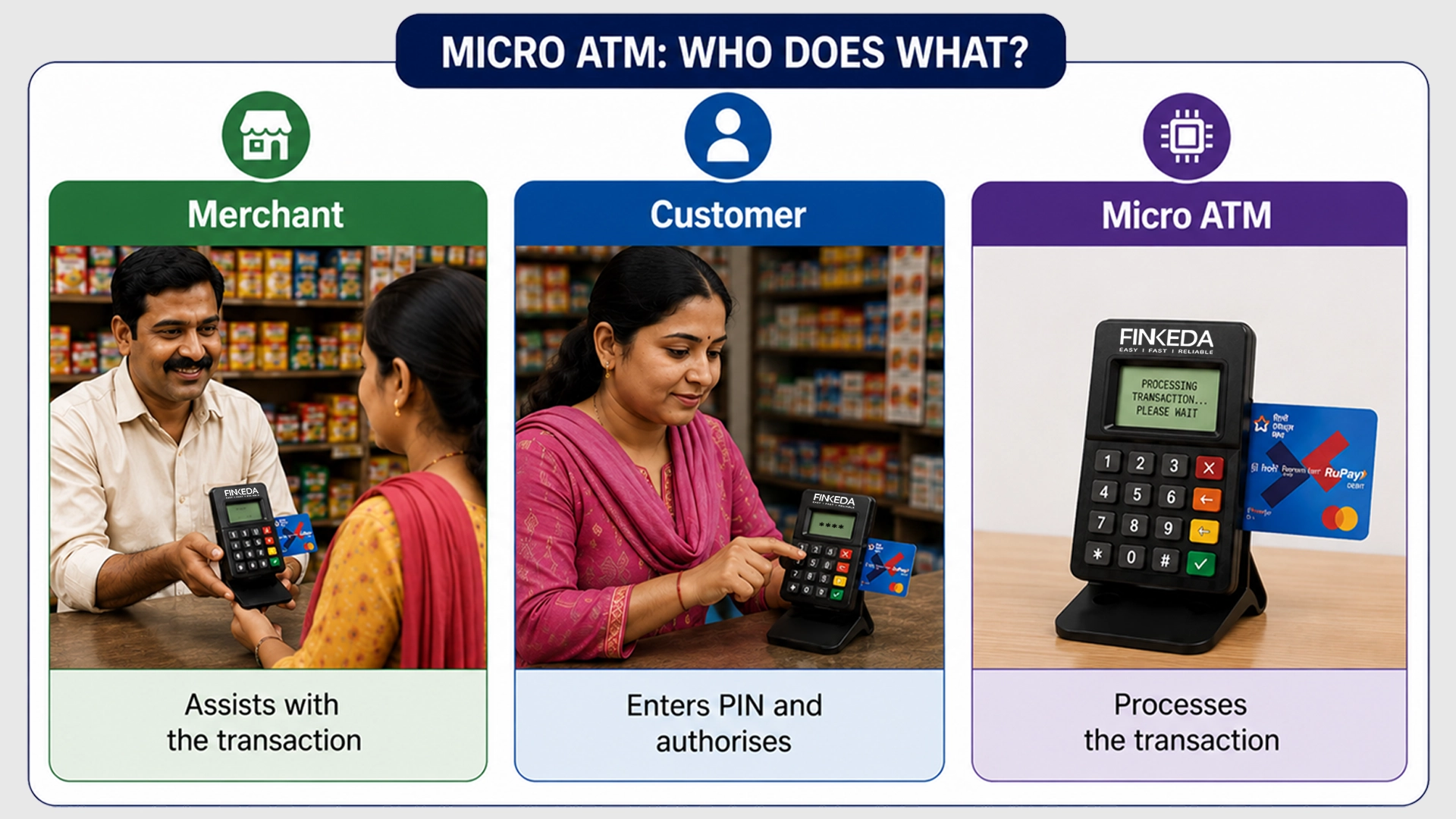
Simply put, a Micro ATM a smaller version of a full-size ATM. It has a smaller set of essential functions, connects to the banking network over mobile data instead of a fixed line, and is meant to be carried and set up almost anywhere, like a kirana store, a mobile recharge counter, or a CSC (Common Service Center) desk.
One way a Micro ATM works is as an extension of the bank’s own network. The merchant’s device is registered with a bank or Micro ATM service provider, and each transaction is verified and settled in real time through their network. The process is similar to a full ATM transaction, but it is conducted on a smaller device by an agent.
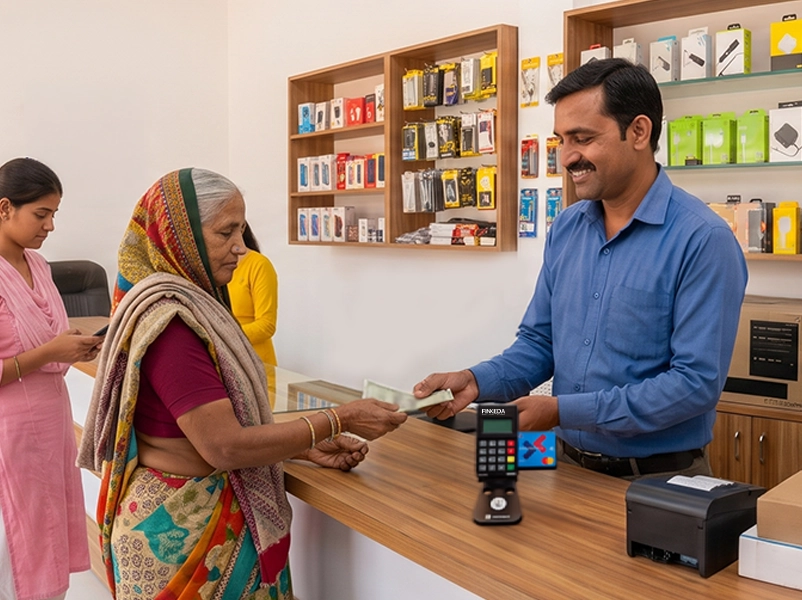
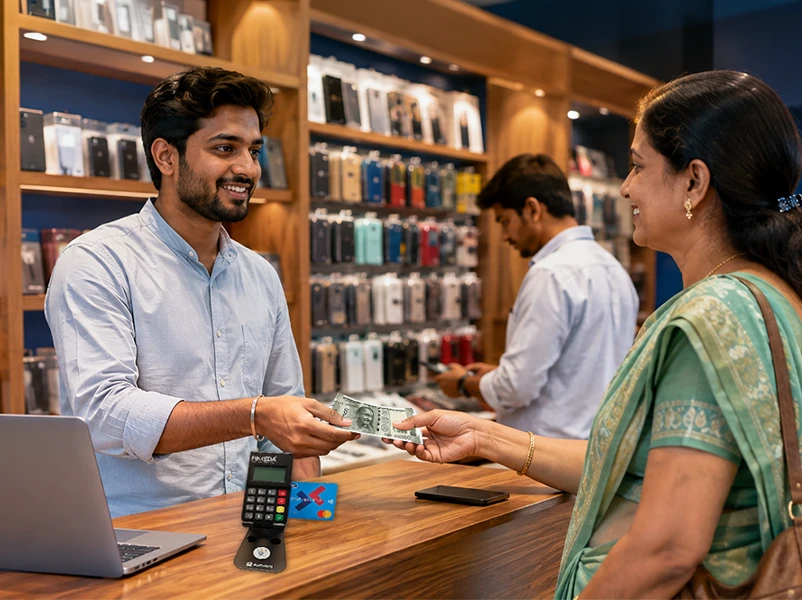
In this process, the customer walks into a shop or outlet that has a Micro ATM and informs the merchant of the transaction he/she wants to do, for example, a cash withdrawal or balance inquiry.
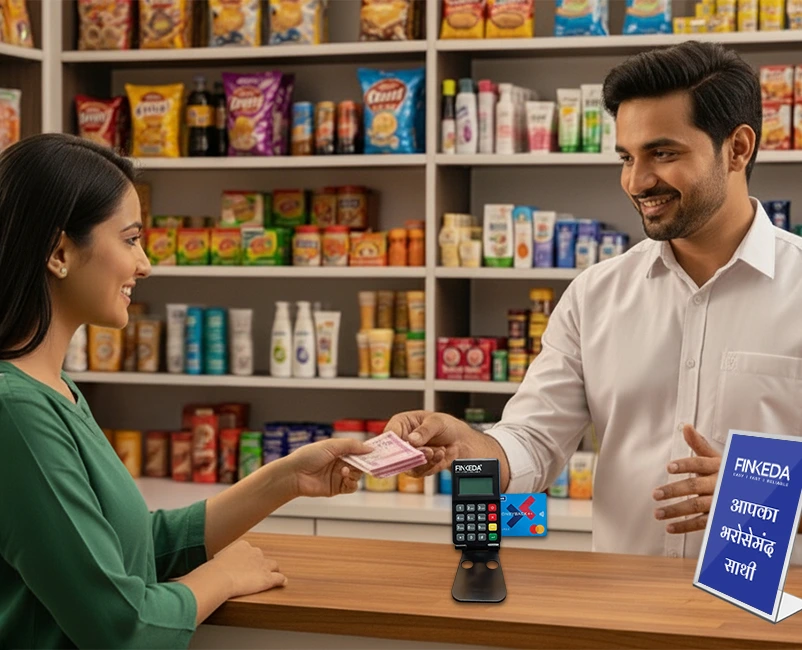
The customer provides their bank debit card, which the merchant inserts into the Micro ATM device to access the account.
The customer enters a PIN to authorise the transaction.
Card-based verification works in the same way as a regular ATM, with the customer’s debit card and PIN required to complete the transaction.
When the bank’s system approves the transaction, the merchant gives the customer cash (if it’s a withdrawal), and the device prints or displays a transaction receipt.
A Micro ATM meets a specific set of banking needs that people experience on a daily basis. That’s precisely what makes it ideal for the last mile:

Employees of banks and merchants also use Micro ATMs. One way of starting to offer these services to walk-in customers for a kirana store owner, mobile recharge vendor, or CSC operator is to first form a partnership with a bank or a Micro ATM service provider and then buy a Micro ATM device and start offering these services to walk-in customers.
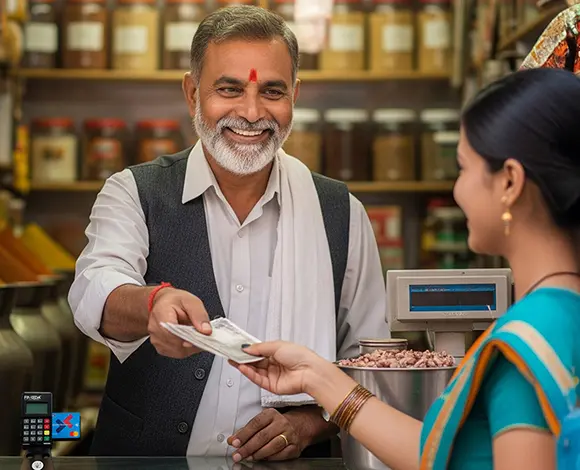
Micro ATM service works best for retailers who have a physical shopfront and regular customer footfall. Their customers already have a trust factor and visit them for other transactions.
Getting into the Mini ATM business is very simple. You just need to register with a good Micro ATM service provider, verify yourself, and install the device at your counter.
It is a service and a revenue source for the business correspondents and retailers to provide a Micro ATM.
This allows the shop to generate an additional source of income. The merchant earns a small commission for every transaction processed, be it a withdrawal, balance check etc.
Since commissions are paid on a per-transaction basis, a merchant with a steady footfall can develop a steady income stream with little effort alongside their existing business.
The Micro ATM also helps retailers to build their position as a trusted and reliable touchpoint in the community, as customers interact with a familiar local merchant instead of an anonymous machine. This is because customers can engage with the merchant.
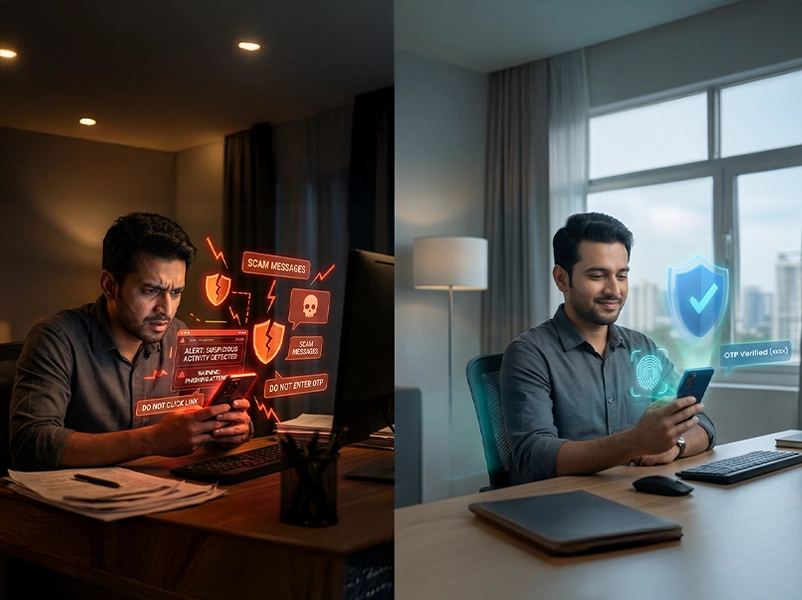
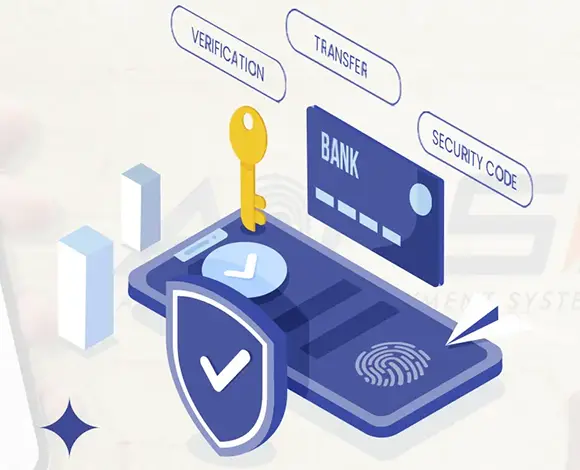
Micro ATM transactions share the same security foundation as regular banking transactions but also have additional safeguards specific to devices run by agents.
Usually, two layers of verification must be followed before approving a transaction. One is the account information of the customer, and the second is a personal identification number (PIN). A transaction must pass these levels of verification before it can be approved.
The Reserve Bank of India (RBI) has issued guidelines on Micro ATM operations, including a limit on how much can be withdrawn in a single transaction. This limit reduces exposure in the event of an error or dispute.
A Micro ATM machine provides basic banking facilities to customers who have to travel long distances for these services. It is also a low-cost method for merchants and retailers to launch a mini ATM business and earn steady commissions while helping their community. The first step to take advantage of this opportunity is to know what a Micro ATM is and how it works.
A Micro ATM is a compact, portable banking device operated by a merchant or business correspondent that allows customers to complete basic transactions like cash withdrawals and balance enquiries using a debit card.
Yes. Retailers, kirana store owners, and CSC operators can partner with a bank or Micro ATM service provider to offer these services directly to customers.
Micro ATMs let banking correspondents and retailers earn a commission on every transaction processed, creating an additional income stream while building customer trust locally.
Yes. Transactions rely on two-factor authentication (PIN) and follow RBI guidelines, including per-transaction withdrawal limits.
Share :
Like:
1