
Aug. 07, 2026

6 Min read

Digital Banking

Share :


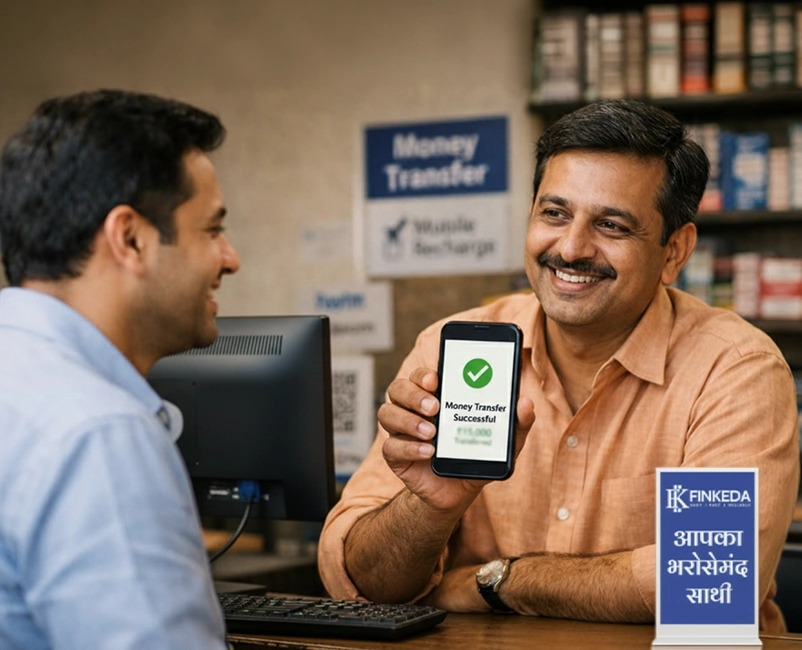
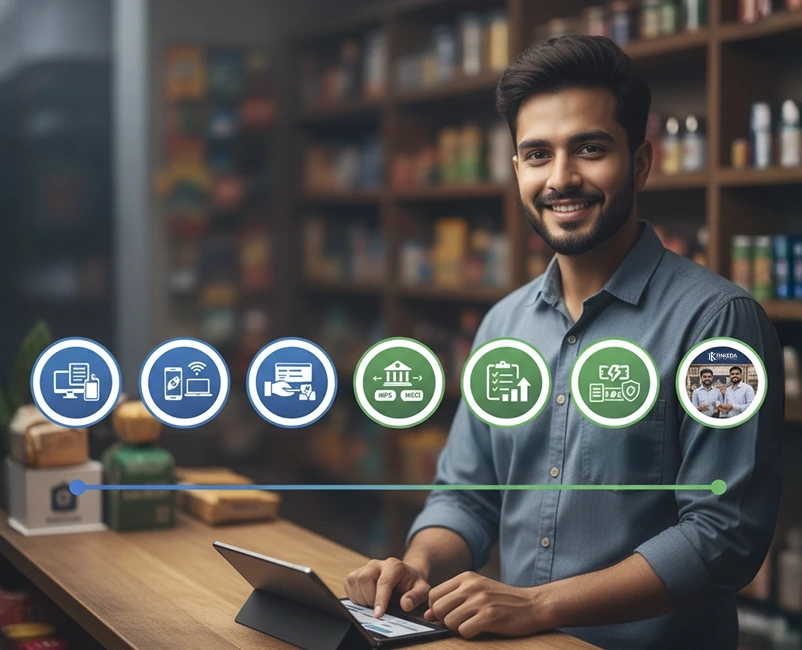
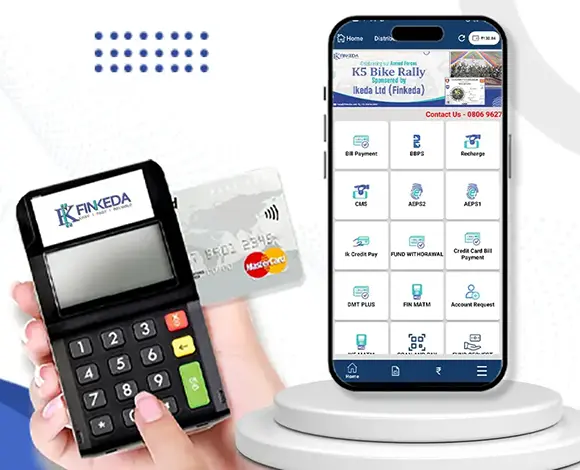
The process of remitting cash across regions in India has historically been fraught with significant operational friction, necessitating that individuals take hours off work, travel to distant physical bank branches, and endure long queues. By decentralizing banking accessibility, Domestic Money Transfer (DMT) services have systematically eliminated these inefficiencies. Finkeda facilitates smooth cash-to-bank transactions within minutes by empowering local retail channels to function as digital financial touchpoints. Finkeda, which is regulated by the Reserve Bank of India (RBI) and utilizes robust clearing channels such as IMPS and NEFT, facilitates the integration of the cash economy with formal digital banking. The following section delves into the mechanics of DMT, the manner in which Finkeda optimizes the remittance workflow, and the reasons why it continues to be a critical financial utility for millions of households.
Domestic money transfer, or DMT, lets people send cash to any bank account in India through a local agent without the sender needing a bank account themselves. It works through IMPS and NEFT, so transfers can be instant and available at any time. The service has grown fastest in places where formal banking never quite reached, giving rural households, daily-wage workers, and migrant laborers a faster, cheaper, and far less complicated way to send money home than what was available before.
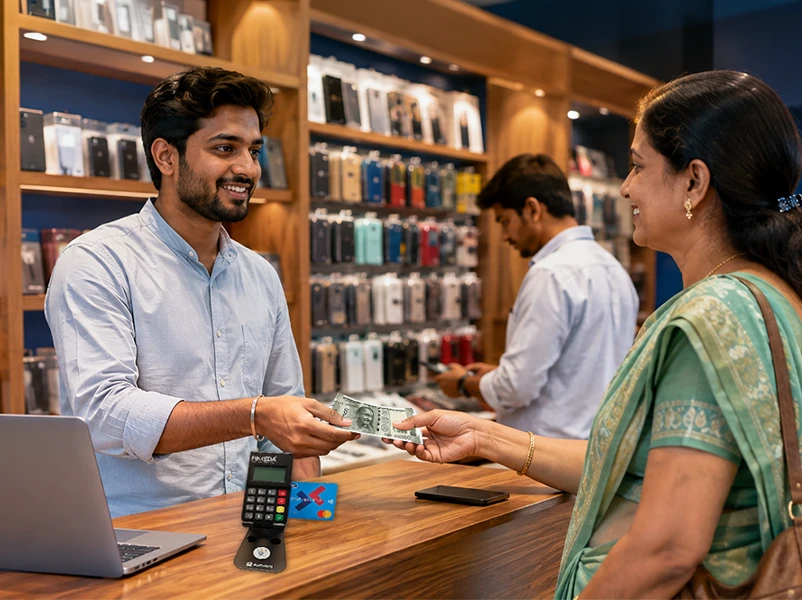
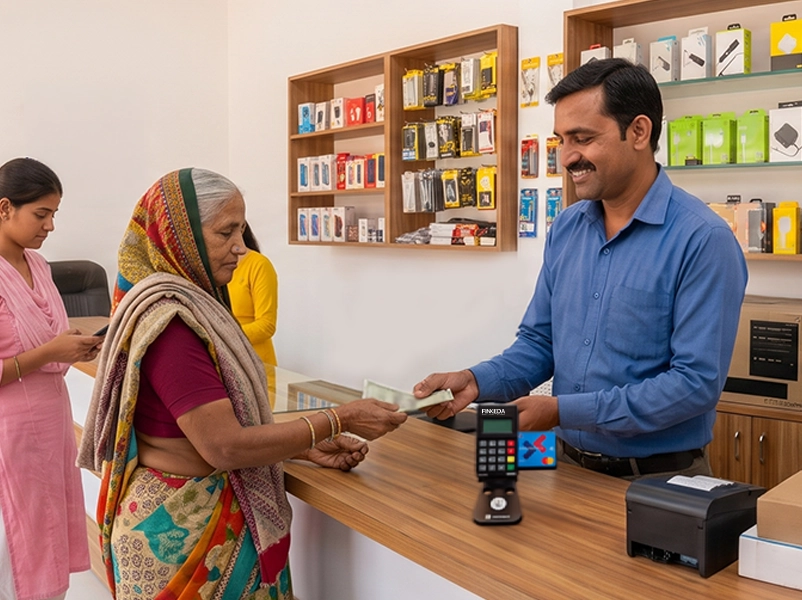
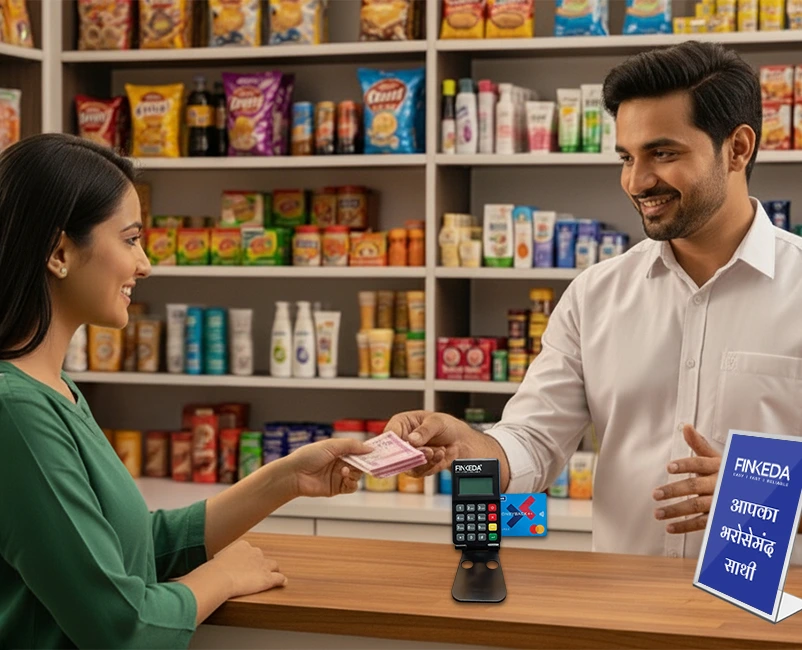
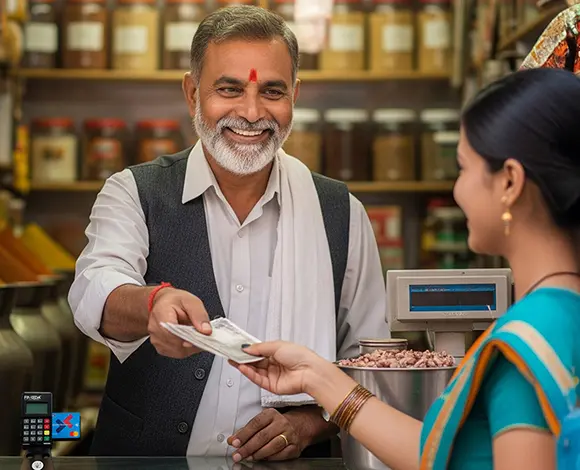
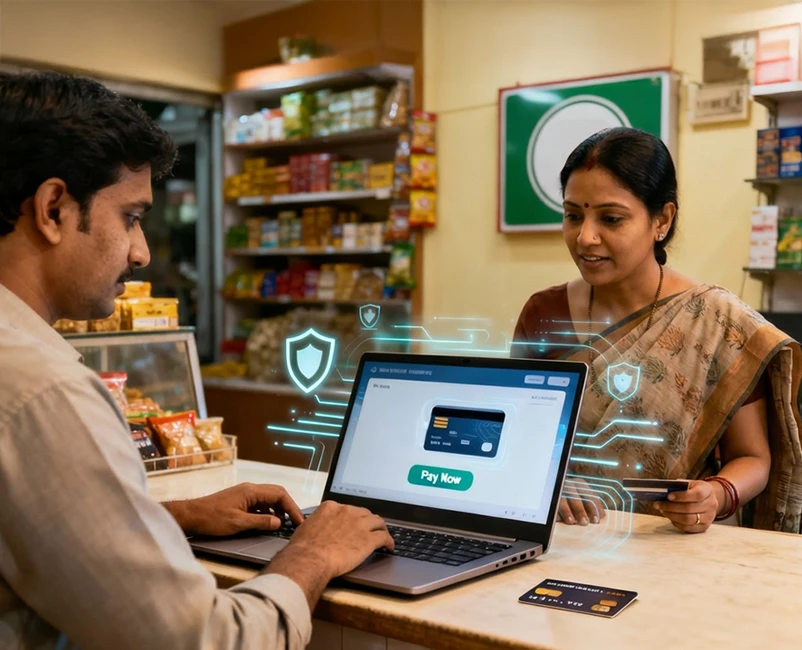
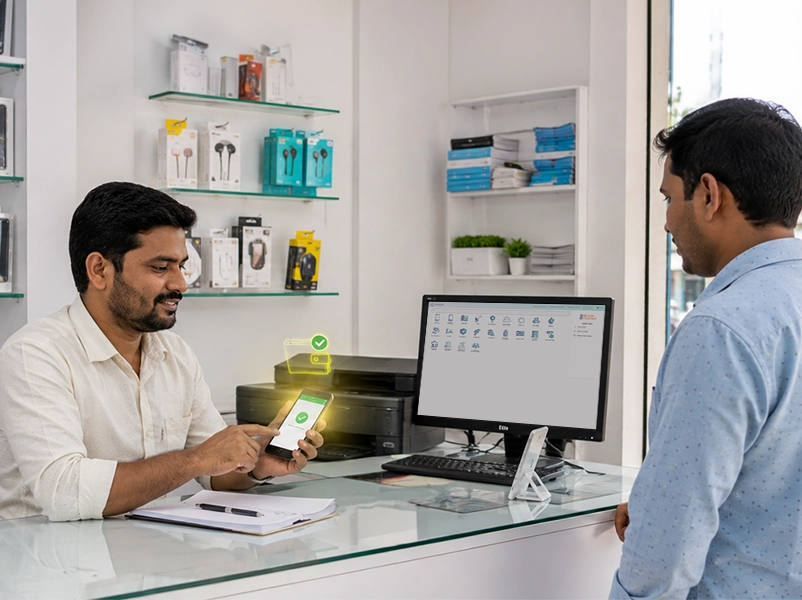
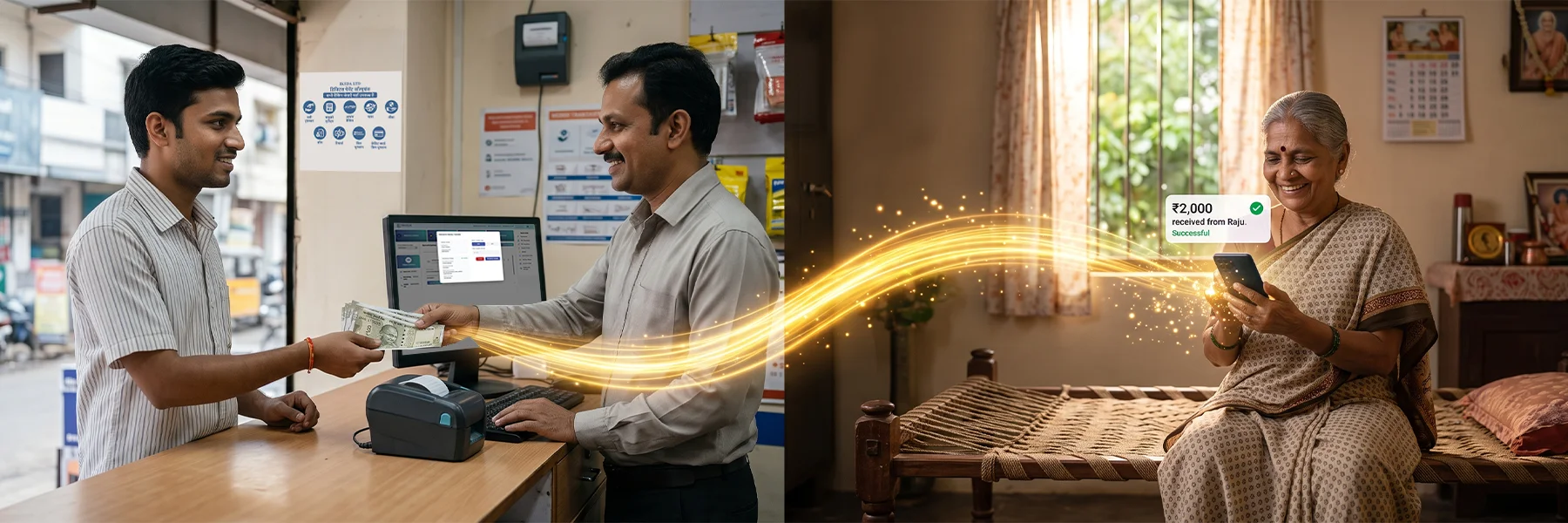
DMT is basically a way to send money to any bank account in the country through a local agent instead of doing it yourself through a bank. You don’t need an account. You walk up to the shop, hand over cash, give them the receiver’s account number and IFSC code, and they push it through on their end using IMPS or NEFT. So the money still travels through real banking rails.
Why did this method become so popular here? Because a large number of working people in India, people who moved to a city for work, never really had a smooth way to get cash back to their families. Banks weren’t built around their schedules or their paperwork situation. DMT filled that hole without asking anyone to open an account first.
This is typically the initial observation that individuals make after they have utilized a DMT service on a few occasions. This is due to the fact that IMPS operates continuously, 365 days a year. Consequently, funds that previously required a day or two to clear through a traditional bank transfer can now be deposited into an individual’s account within seconds of the merchant clicking “confirm.”
If a parent suddenly realizes that their child’s school fees are due by tomorrow morning and there is no time to visit a branch, they can still walk into a DMT outlet that same evening, hand over the cash, and know that the payment will be in the school’s account before they have even had their dinner. This level of speed was simply not possible with the older, branch-dependent mode of money transfer.
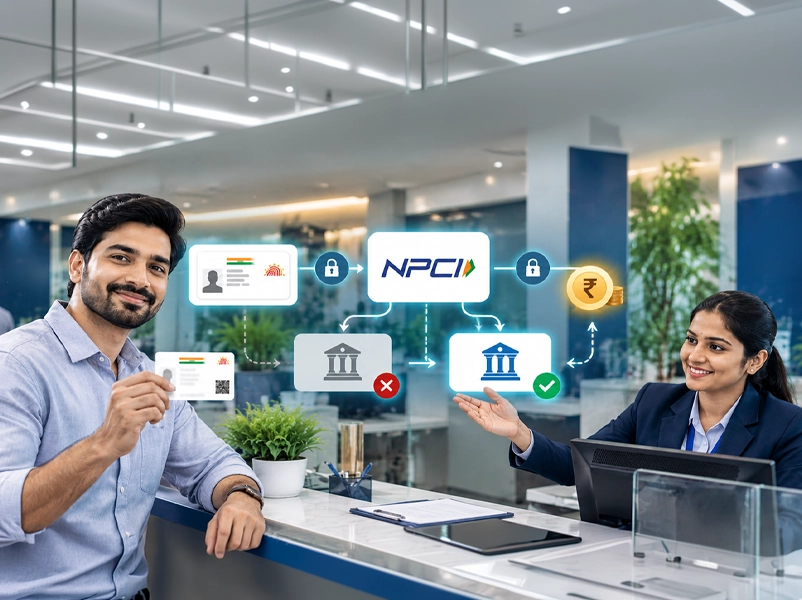
One detail that a surprising number of people overlook is that the sender never actually needs to have a bank account of their own to use a domestic money transfer service, which sounds almost too simple until you realize how many people this quietly helps. All that’s really required is a valid ID and the cash in hand, since the merchant handles every part of the actual banking process on the customer’s behalf, and for someone who’s spent years doing daily-wage work without ever finding the time, the paperwork, the patience, or even a real reason to open a formal savings account; this one feature removes what used to be the single biggest obstacle standing between them and sending money home.
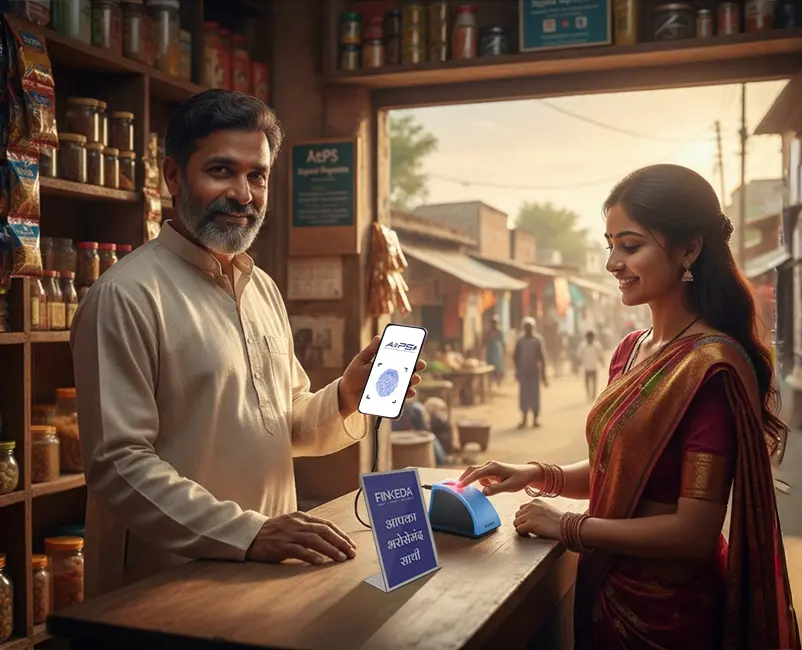
Bank branches tend to cluster in cities and larger towns, where there’s usually one on every other street, but the picture looks very different once you move into smaller villages, where the nearest branch can sometimes be an hour or more away by bus. Domestic money transfer agents have managed to fill exactly that gap by setting up shop in places where formal banking infrastructure never really reached, which means someone living twenty or thirty kilometers from the closest branch no longer has to give up an entire day’s wages, along with the bus fare and the waiting in line, just to send a portion of their earnings back to their family.
The fees charged on a typical DMT transaction tend to work out lower than what people were paying through the older, more informal channels or the traditional remittance services that many families relied on before digital transfers became common, and while the difference on any single transaction might not feel like much at the time, it starts to add up in a meaningful way once you consider that many people are sending money home every single month, sometimes for years on end, which turns a small per-transaction saving into a fairly significant amount over time.
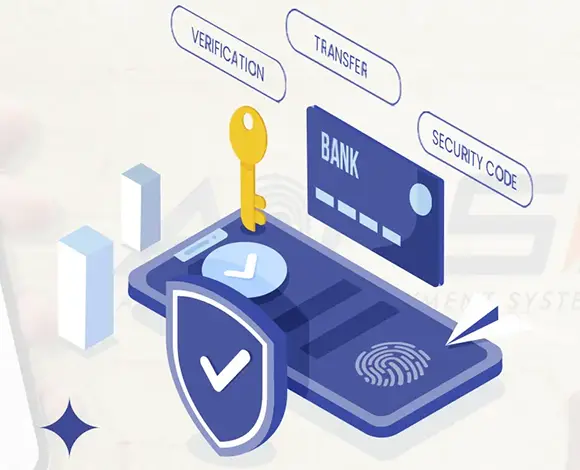
Every transaction that goes through a registered domestic money transfer service is routed through encrypted banking channels that are recognized and regulated by the RBI, which is a considerable step up from the older habit of handing cash to an acquaintance or an informal courier and simply hoping it reaches the right person at the other end. On top of that, the sender typically receives an SMS confirmation or a printed receipt as soon as the transfer goes through, so there’s an actual paper trail to point to if a question or dispute ever comes up later.
Traditional banks operate within fixed hours and shut their doors completely on Sundays and public holidays, but most DMT counters don’t follow that same schedule, largely because the underlying IMPS network doesn’t distinguish between a regular Tuesday afternoon and a festival weekend. As a result, someone who suddenly needs to send money urgently on a Sunday evening, or in the middle of a long holiday stretch when every bank branch nearby is closed, can usually still find a DMT outlet open and ready to process the transfer.
A lot of what domestic money transfer quietly does for people isn’t glamorous; it’s just practical, covering things like an upcoming school fee, a hospital bill that showed up without warning, or a rent payment that’s due in a couple of days, and it tends to matter most in households where one family member has moved away for work while everyone else back home depends on that money arriving reliably and on time. Without a fast, dependable way to move funds like this, a lot of these smaller emergencies would end up turning into much bigger problems than they need to be.
Compared to the amount of documentation a traditional bank transfer or account opening usually demands, a domestic money transfer keeps things about as simple as they can get, since all the sender really needs to provide is the beneficiary’s name, their account number, and the IFSC code of their branch. There’s no lengthy form to fill out, no standing in a queue at a bank counter waiting for a token number to be called, and no requirement to be comfortable navigating a banking app on a smartphone, which is exactly why this service has worked so well for people who might otherwise have found the whole process intimidating.
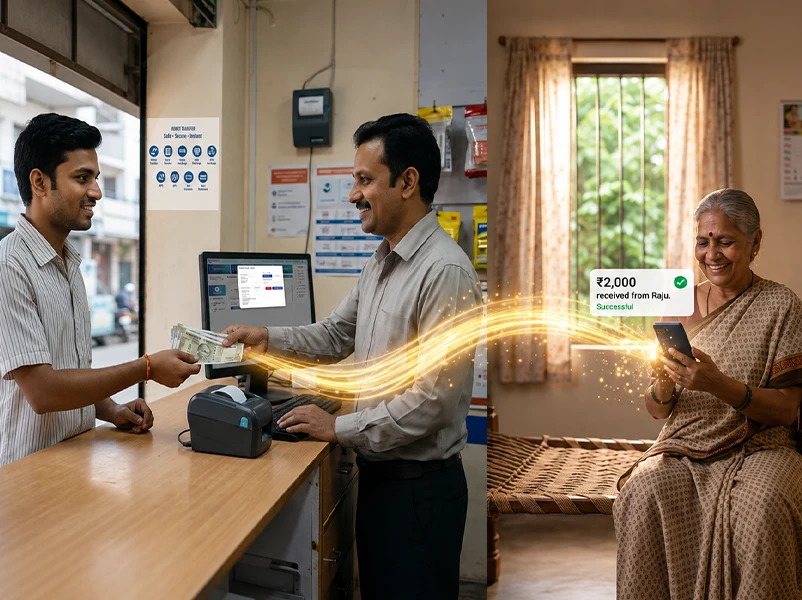
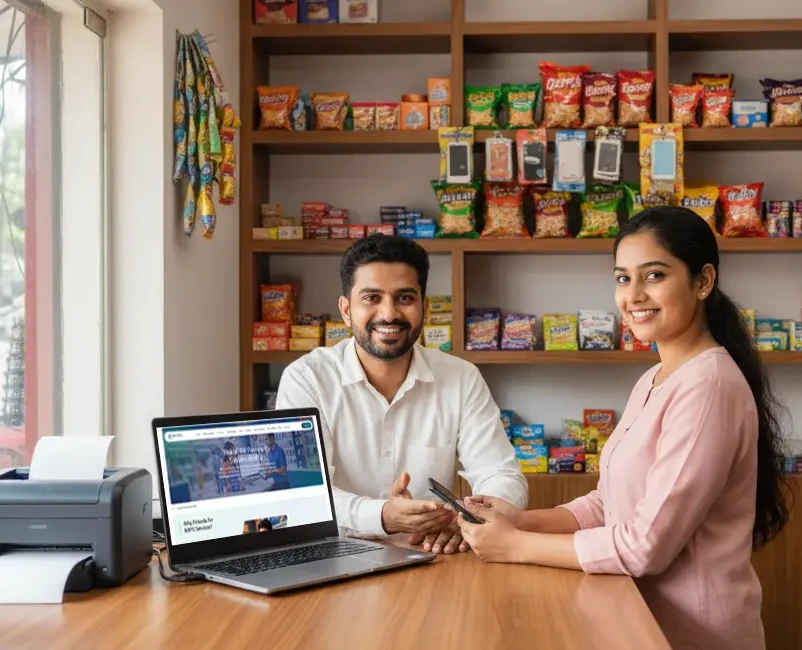
It is exceedingly straightforward. The sender enters the premises with cash and the recipient’s banking information. The agent inputs the information into their application or portal, selects IMPS for urgent matters or NEFT for those that can be postponed, and sends it. The bank on the other end processes the transaction, deposits funds into the account, and provides the sender with a confirmation. The majority of the time, it requires only a few minutes.
Truly, nearly anyone. Shop owners are relocating cash for their businesses, migrant workers are sending their wages home, farmers are compensating a supplier, and families are providing assistance to relatives in another state.
The landscape of cash-based remittances in India has been fundamentally restructured by Domestic Money Transfer (DMT) services, which have replaced an inefficient, cumbersome workflow with an expedited, highly accessible, and cost-effective operational framework.
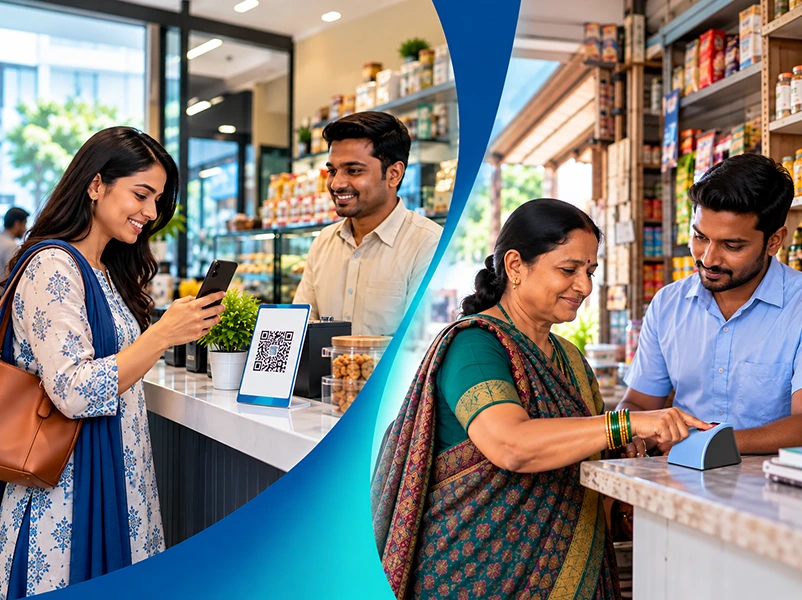
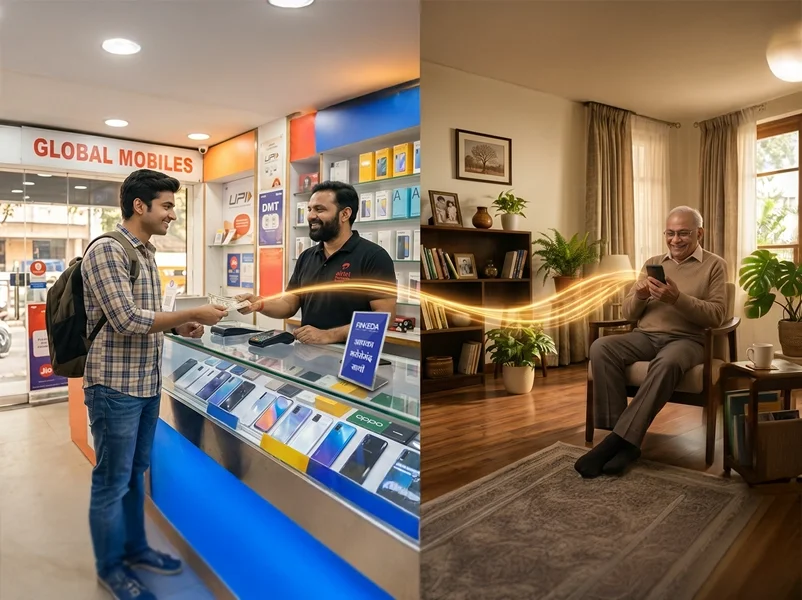
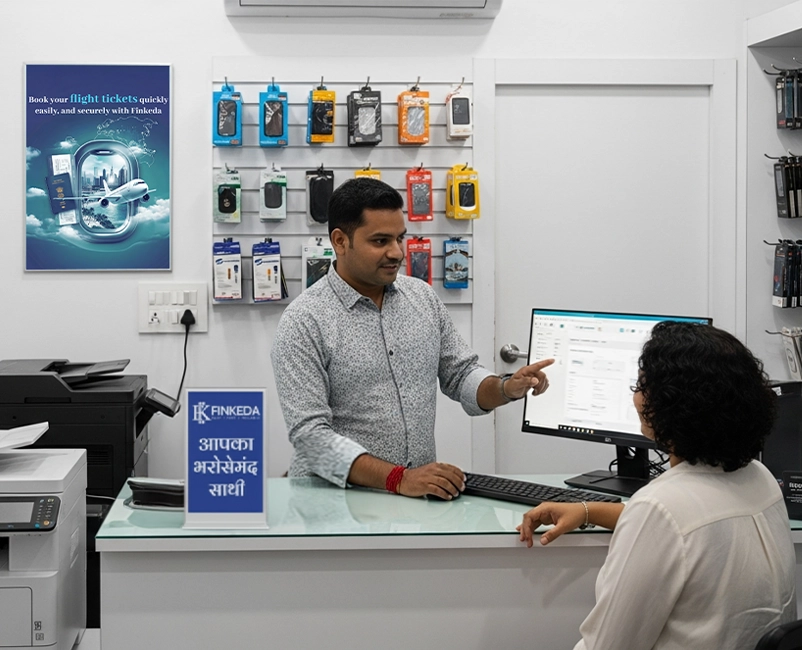
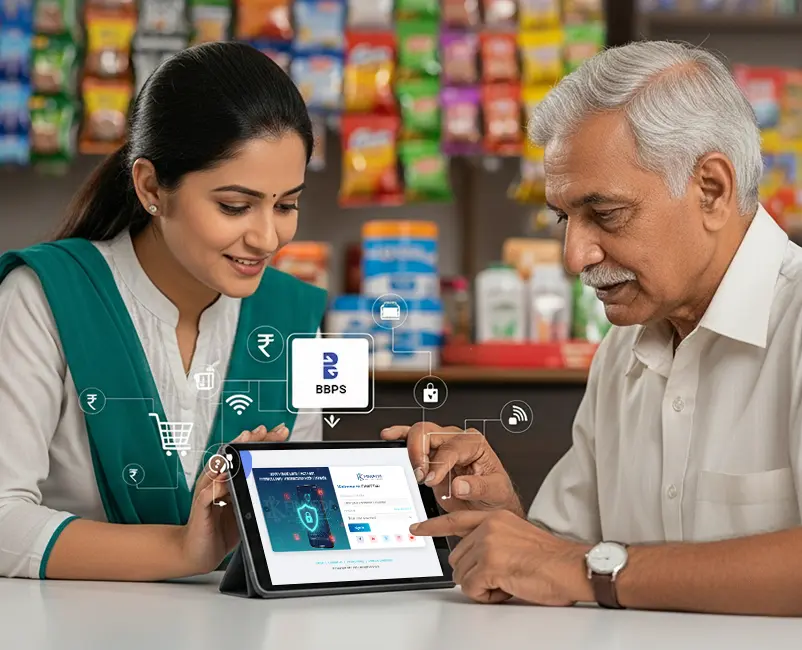
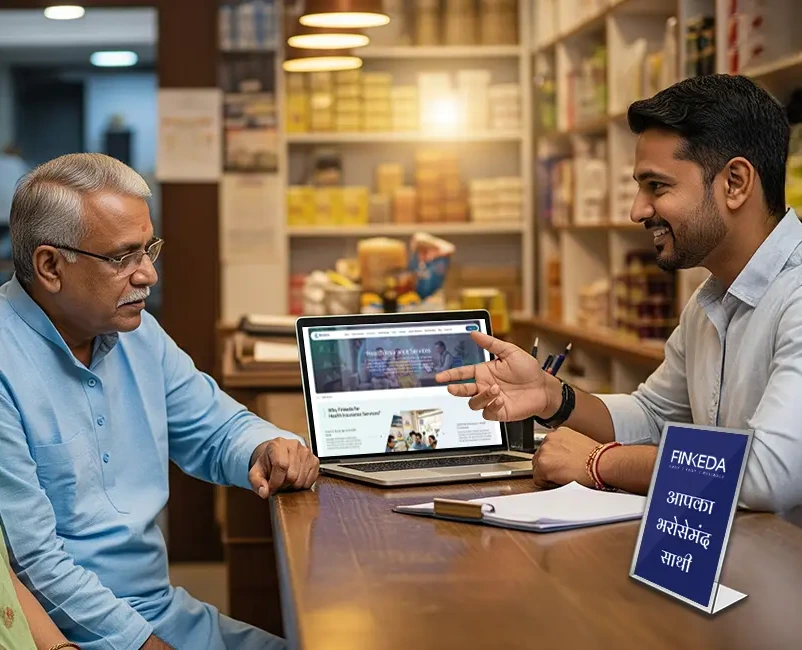
Historically, cross-regional cash remittances presented significant friction for unbanked populations, requiring long travel, lost wages, tedious paperwork, and multi-day clearing times. Domestic Money Transfer (DMT) frameworks dismantled these barriers by decentralizing banking access through local retail networks. By transforming neighborhood Kirana stores into active micro-banking hubs, Finkeda extends financial access directly to underserved communities. Senders can deposit cash and execute instant transfers to any bank account via IMPS without needing personal accounts or smartphones. Operating uninterrupted 24/7/365 even on weekends and bank holidays. Finkeda compresses a day-long ordeal into a secure five-minute transaction, driving nationwide financial inclusion.
They offer instant transfers, lower costs, wide rural reach, no need for a sender bank account, and secure, round-the-clock access to send money across the country.
Yes. Reputed DMT services use encrypted, bank-authorized channels such as IMPS and NEFT, and every transaction comes with a receipt or SMS confirmation for the sender’s peace of mind.
Yes. Local merchant networks bring DMT services directly to small towns and villages, removing the need to travel to a distant bank branch.
Because IMPS completes transfers instantly, families can send funds for emergencies, school fees, or daily expenses without waiting for bank processing times.
Anyone can use DMT services, including migrant workers, daily wage earners, small business owners, and families, since the sender does not need a bank account of their own.
Share :
Like:
0