
Jun. 09, 2026

3 Min read

Digital Banking

Share :


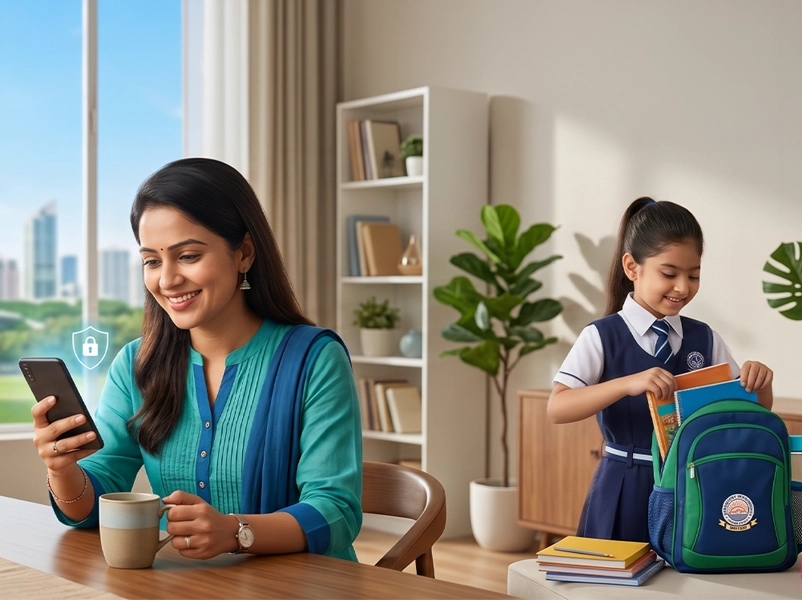
If you’ve ever hesitated before entering your PIN on a banking app, you’re not alone. For many people, especially those moving from cash to digital for the first time, a very real question comes up: Is my money actually safe on a mobile app?
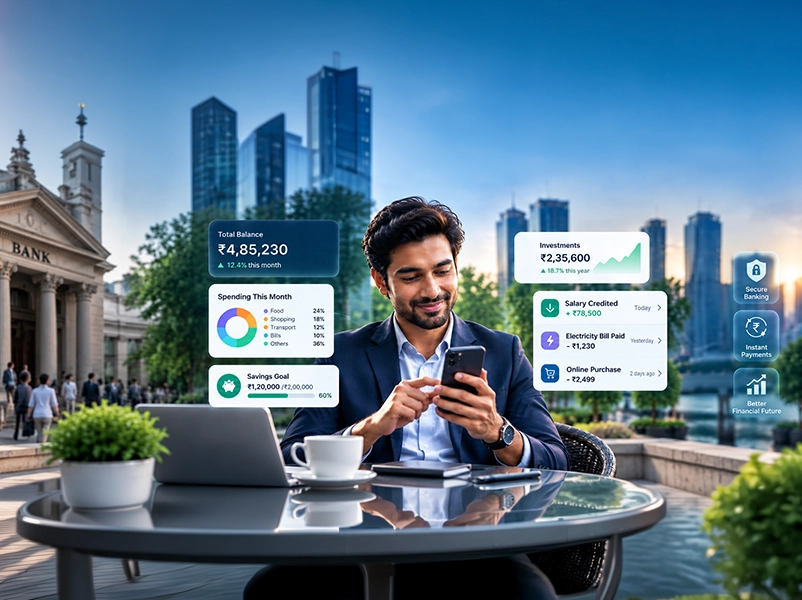
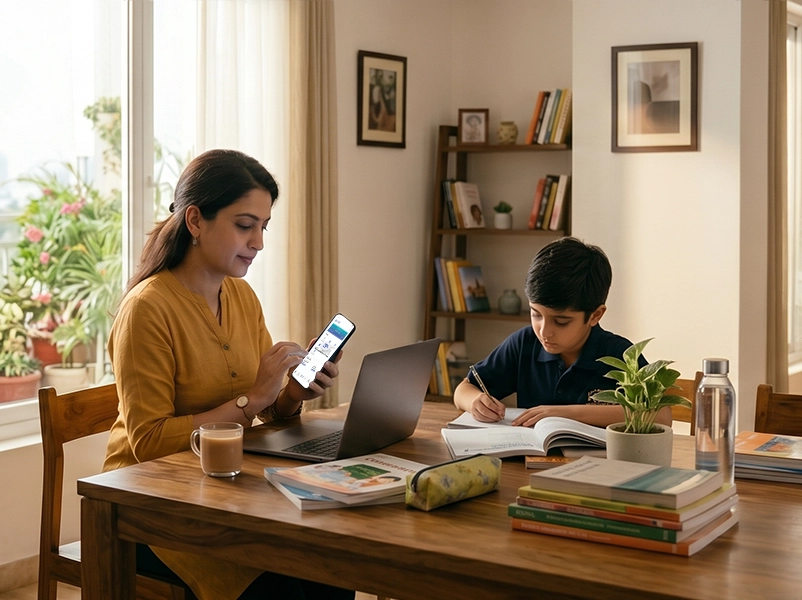
It’s a fair concern, especially because mobile banking apps have quietly become a part of everyday life for millions of people in India. From checking balances to sending money or paying basic bills, most of it now happens with just a few taps on a phone.
At Finkeda, we see this shift happening every day. And since trust matters when it comes to money, it’s worth understanding how secure mobile apps are and what risks might exist.
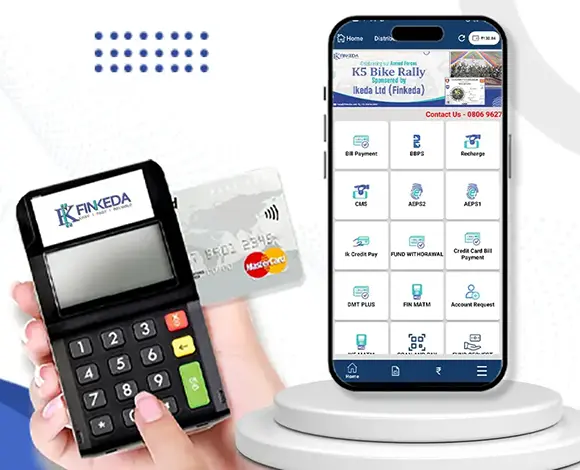
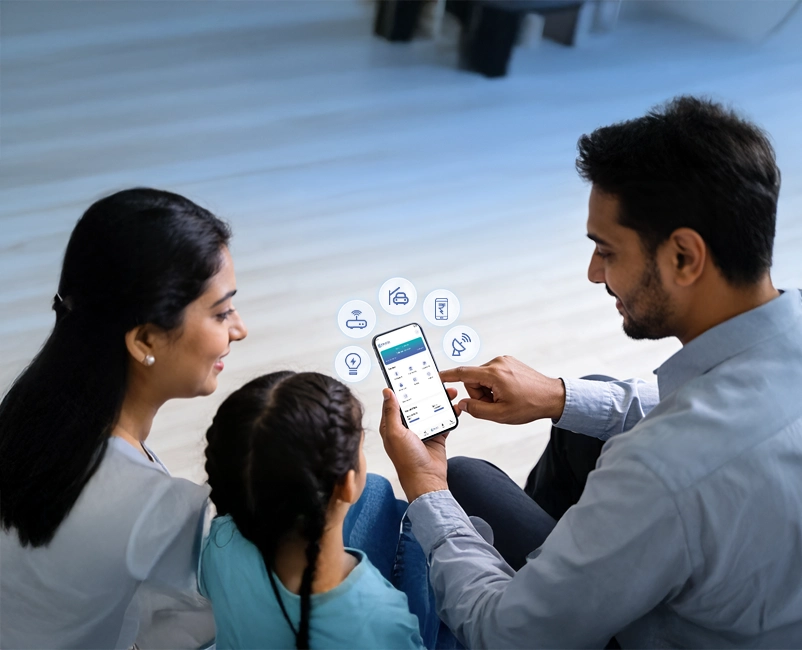
A mobile banking app is just an app on your phone that lets you manage your bank account without visiting a branch. You can check your balance, send money, pay bills, recharge your phone, and in many cases even open an account or apply for services, all from your mobile, whenever it suits you.
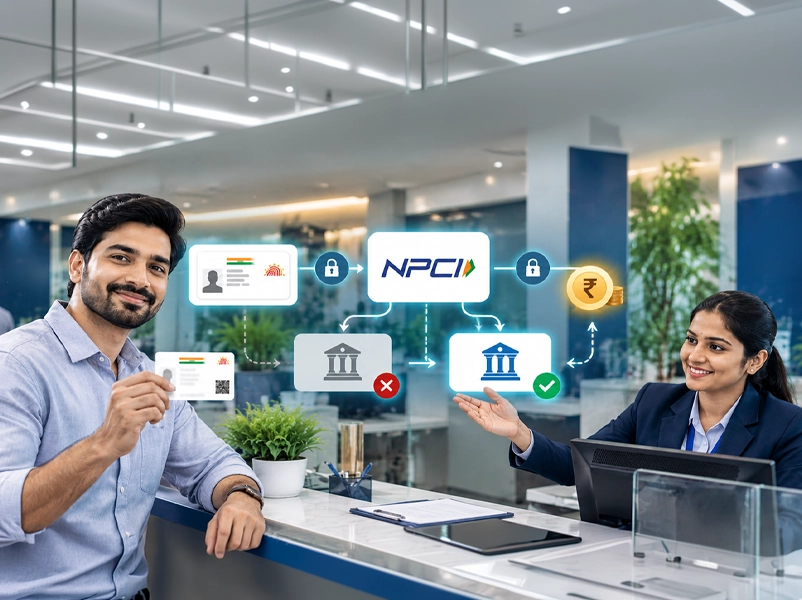
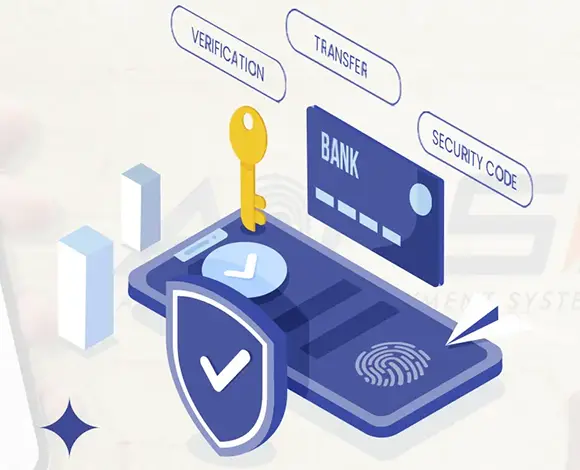
It works by connecting your phone to your bank’s system in a secure way. When you log in, the app simply verifies you through a password, PIN, OTP, or fingerprint/face ID.
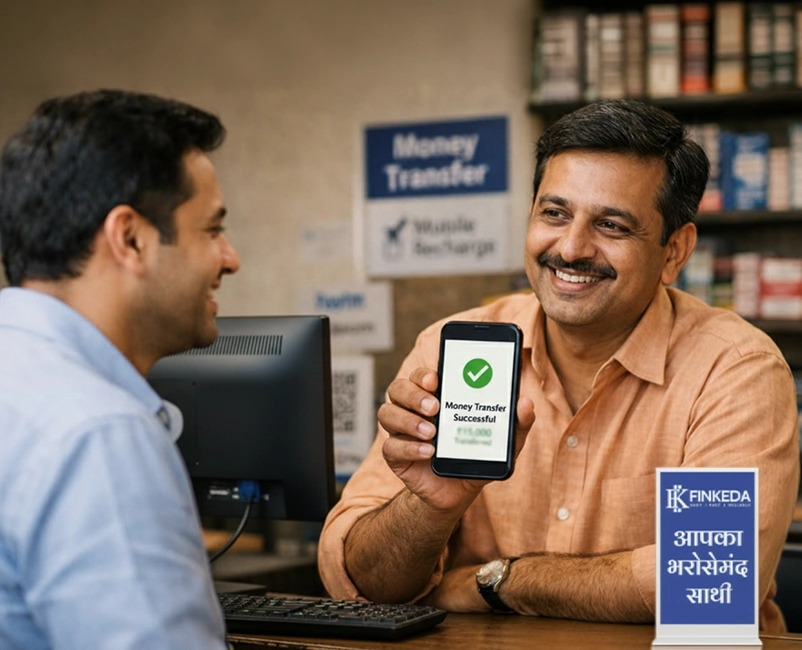
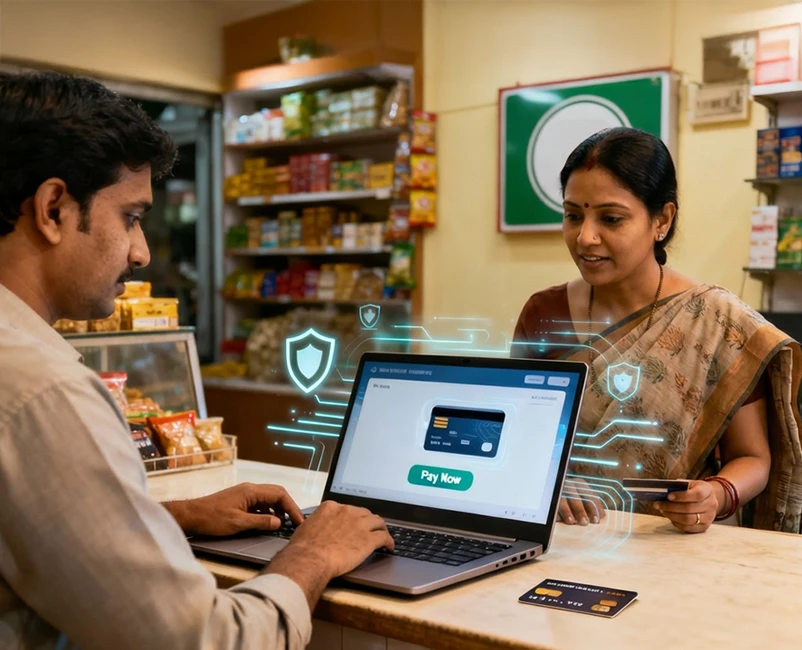
On our platform, this process works the same way. When a transaction is initiated through Finkeda, the request travels through RBI-compliant payment infrastructure, is authenticated at multiple points, and is confirmed once, when every security check has passed. The whole process typically takes a few seconds.
Mobile banking is actually one of the safer ways to manage money today, but its safety depends on both the app and the user.
Most banking apps today already have multiple security layers running in the background. Your data is encrypted while it moves between your phone and the bank’s system, so it isn’t easy for anyone to intercept it.
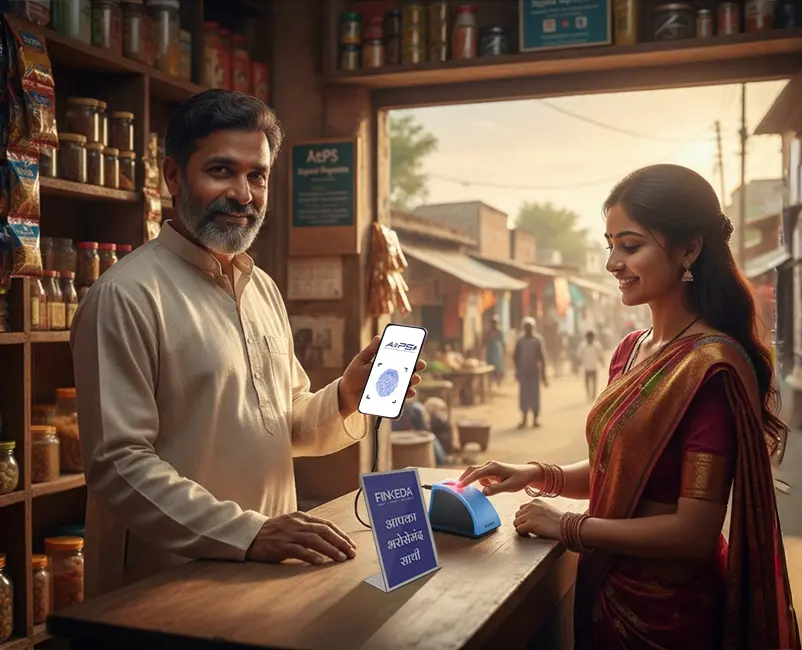
On top of that, there’s two-factor authentication, which adds an extra step even if someone somehow knows your password. Many apps also use fingerprint or face ID, so just having the phone in hand isn’t enough to get in.
And if the app is left idle, it doesn’t stay open; it automatically logs you out after a while.
These features ensure that even if someone tries to intercept data, it remains unreadable and unusable. Most users never see them, but they are active every time you open the app. That’s what makes a well-built mobile banking application secure when compared to many traditional or browser-based methods.
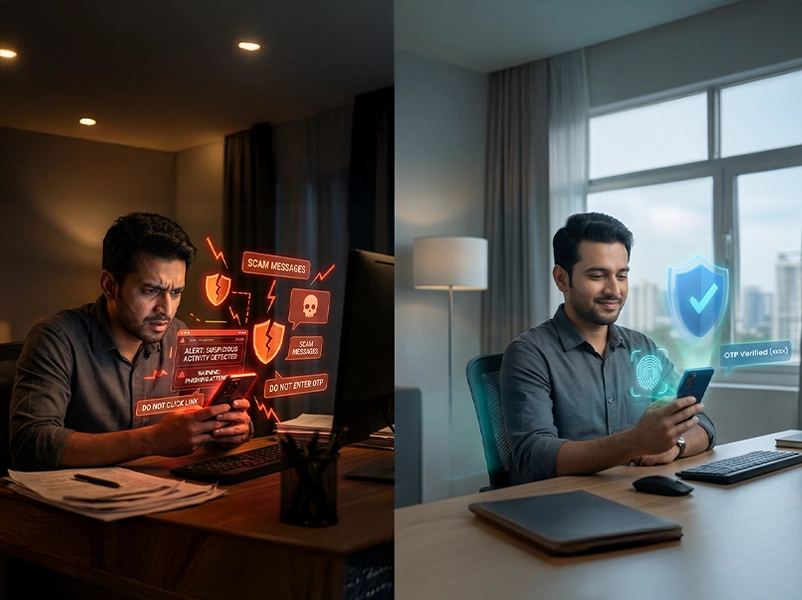
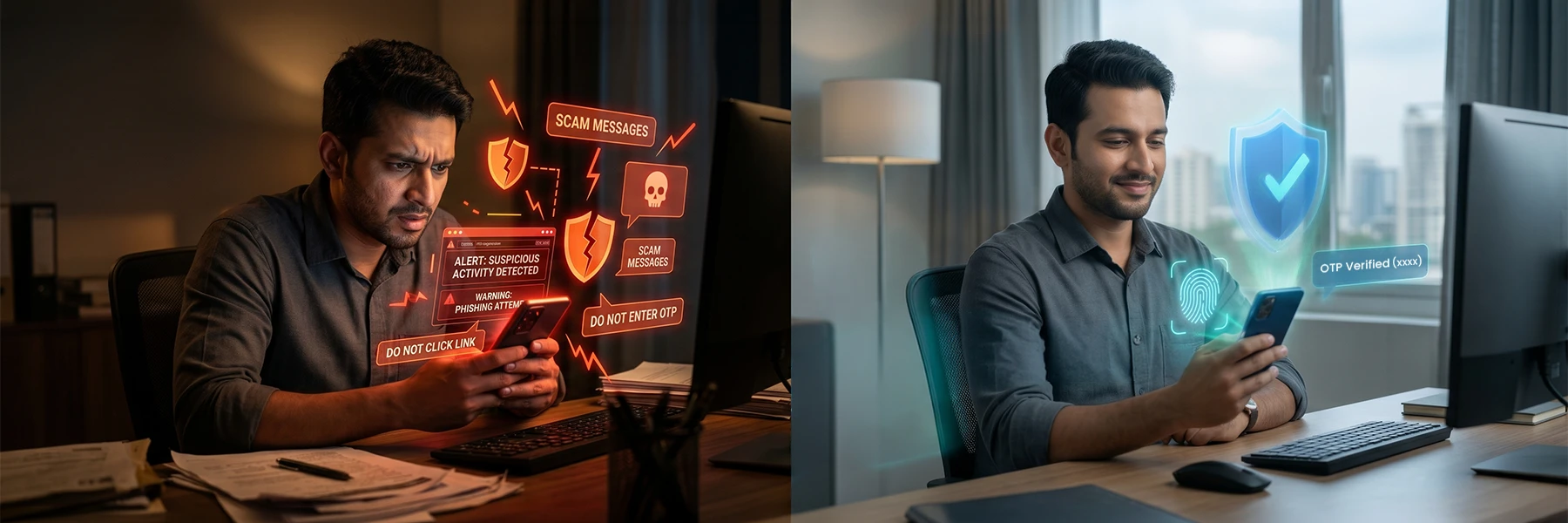
Most digital banking frauds don’t happen because someone hacked the app. It happens when users respond to messages, calls, and links outside the app. Understanding these common digital frauds in banking is the first step to help you avoid them.
In every one of these cases, the entry point was a message, a call, or an insecure connection that the user engaged with outside the app.
Mobile banking is not unsafe. In fact, the security systems behind a well-built mobile banking application, including encryption, authentication, and real-time monitoring, are strong.
The real risk usually comes from how the app is used, not the app itself. Most cases of digital fraud in banking happen when users respond to suspicious messages, share OTPs under pressure, or install unverified apps.
At Finkeda, every transaction runs on RBI-compliant infrastructure, is fully encrypted, and tracked through secure payment rails. We take that responsibility seriously because trust is the foundation of every financial interaction. Download the Finkeda Prime App to manage your money on a secure platform built for everyday use.
If used carefully, mobile banking is not just convenient; it’s one of the safest ways to manage money today.
Yes, the Finkeda Prime app uses secure payment infrastructure, encrypted transactions, and multiple authentication checks to help protect your account and financial information.
Common digital banking frauds include phishing messages, fake banking apps, OTP scams, UPI scams, and remote access fraud. In most cases, fraudsters try to trick users into sharing sensitive information rather than directly accessing a secure banking app.
The Finkeda Prime mobile banking application uses encryption, authentication protocols, and secure payment networks to process transactions. These security layers help ensure that your financial information remains protected while using the app.
Never share your OTP, PIN, password, or UPI PIN with anyone. Always download apps from official app stores and use trusted platforms like Finkeda Prime for your transactions.
Share :
Like:
0