Finkeda
Finance & Banking Apps
Home
/
Blog
/
How Finance and Banking Apps Are Changing Financial Management
Finkeda

Oct. 07, 2026

Finkeda

11 Min read

Finkeda

Digital Banking

Finkeda

How Finance and Banking Apps Are Changing Financial Management

OVERVIEW

Think about how your parents managed money 20 years ago versus how you manage money now. They relied on physical passbooks and visited the branch for almost every task and jotted down expenses in a notebook if they wanted to monitor spending. Meanwhile, you can check your balance, pay a bill, transfer money to a friend or even invest in a mutual fund, all before you finish your morning cup of tea, without ever leaving your bed.

It wasn’t an overnight thing. This happened because banks and financial technology companies (or fintech companies) realised that people wanted control of their money without the friction of paperwork and long waiting times. Mobile banking apps and finance apps stepped in to fill that gap, and they have completely changed the way ordinary people plan, save, spend and grow their money.

In this article we will look at what finance and banking apps actually are, walk through a simple relatable example of how one person’s financial life changed after switching to an app-based system, go through the real benefits these apps offer, explain the features worth looking for before you choose one, and finally answer the common question everyone asks.

SYNOPSIS

In the past, managing money involved waiting in a bank queue, carrying a passbook, and awaiting a bank statement to determine the true whereabouts of your funds. It is now possible to consolidate all of these banking tasks into a mobile application. In this blog, we will examine the ways in which finance and mobile banking applications are altering the way individuals manage their finances, the advantages they provide in our daily lives, the features that are truly significant when selecting an app, and the level of security that these applications provide.

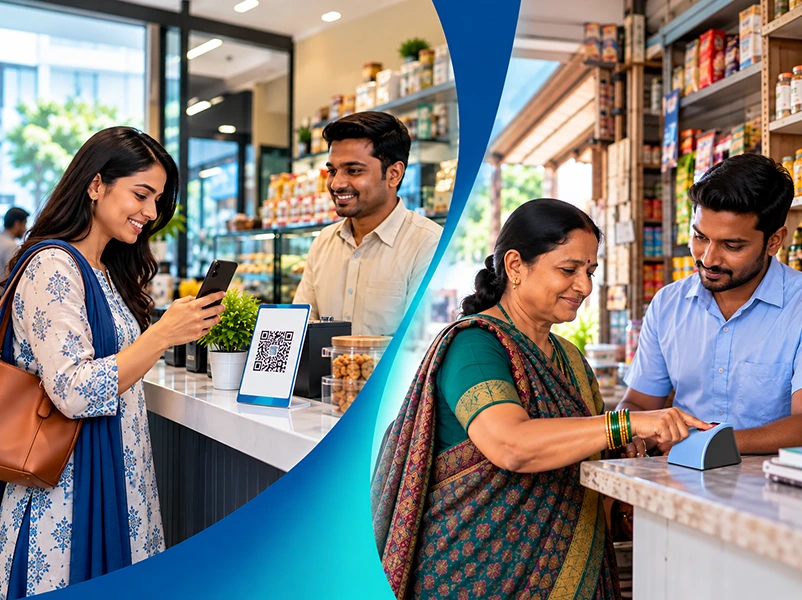
India’s UPI Digital Payment Transaction Volume

What Exactly Are Finance and Banking Apps

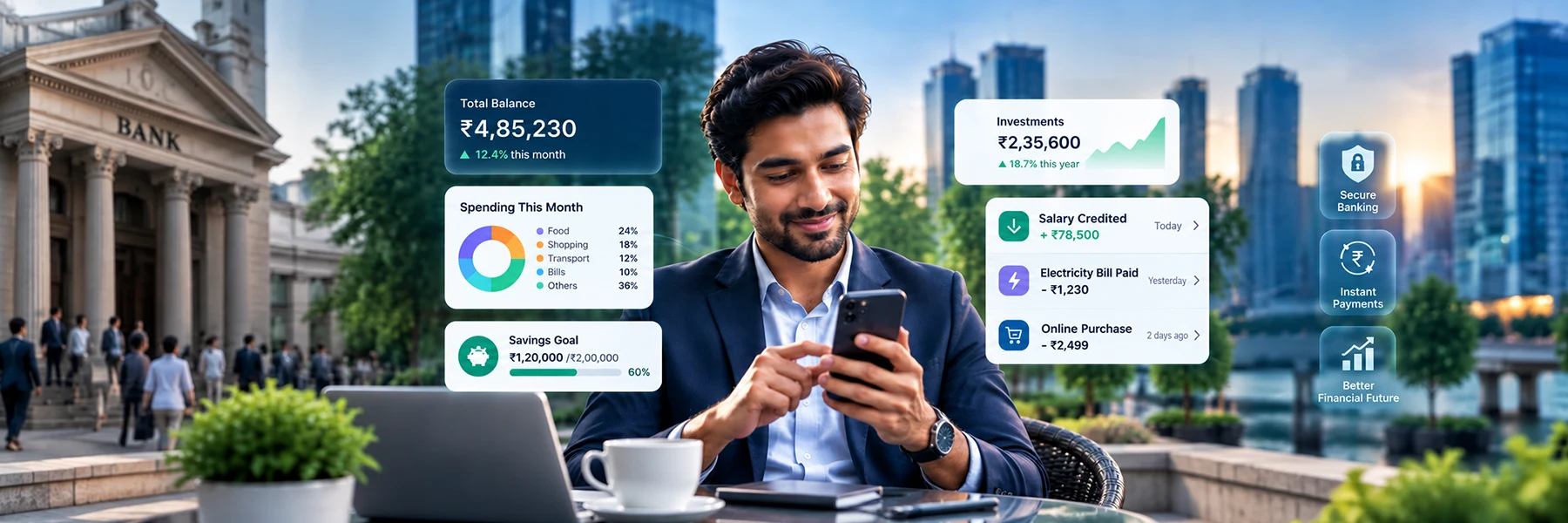
Finance and banking apps are mobile software that let you manage your money straight from your phone. Some are official apps from the banks themselves, while some are built by independent fintech companies that connect to your existing bank account for extra features.

These apps are generally divided into a few categories.

  1. Mobile banking apps, typically available from your bank directly, that let you check balances, transfer funds, pay bills and manage your account
  2. Digital-only banks, sometimes called Neobanks, which exist entirely on your phone without any physical branch at all.
  3. Financial planning and budgeting apps, which help you track spending, set savings goals, and understand where your money is going every month.
  4. Investment and fintech apps, which allow you to buy mutual funds, stocks, gold, or insurance directly from your phone.

Together, these apps have created a full digital ecosystem where almost every financial task that once required a visit to a physical branch can now be done with a few taps.

A Simple Story That Shows the Real Difference

Numbers and definitions can only explain so much, so let us look at a simple story. Meet Anita, a working professional who, until a couple of years ago, managed her money the old-fashioned way.

Before Anita Used Finance Apps

  1. She kept track of her spending in her head and sometimes in a small physical diary which she often forgot to update.
  2. She used to go to her bank branch almost every month for small things like updating her passbook or applying for a cheque book.
  3. She had no idea how much she was spending on food delivery, shopping, and subscriptions until her credit card bill came and shocked her.
  4. And all of her savings were in one account, getting very little interest because she never got around to looking into better options.

After Anita Started Using Financial Apps

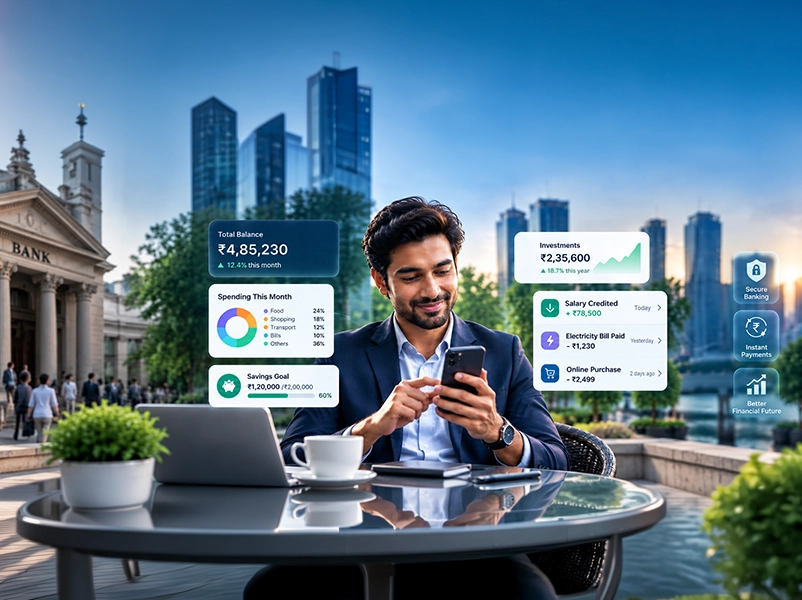
A budgeting app was linked to her bank account, and it sorted her spending into food, travel, shopping and bills automatically.

  1. She set up automatic monthly transfers into a mutual fund SIP through the investment app itself, so she didn’t have to remember to do it manually.
  2. She started getting instant notifications whenever money left her account, which made her much more aware of small, unnecessary expenses.
  3. She saw how she was saving almost fifteen percent more of her income in only eight months because she could finally see her habits laid out in front of her.

Lessons from Anita’s Story

It’s not like Anita suddenly started making more money. The difference was in convenience and visibility. It’s much easier to develop and maintain good financial habits when you can clearly see what you’re spending and when your saving is happening automatically in the background. This is surely the biggest gift that finance and banking apps give to ordinary people.

A Comparison Case: Anita and Rohit, Same Salary, Very Different Outcomes

To really see what difference finance apps can make, it helps to look at two people side by side rather than just one story. This is Rohit, Anita’s colleague. He makes almost the same salary as Anita but has never switched to finance apps and still manages his money the old-fashioned way even today.

Rohit’s Method

  1. He largely still relies on memory and rough mental estimates to keep track of what he spends each month.
  2. He only has an occasional look at his bank balance when he turns up at an ATM or logs on to the internet banking on the laptop.
  3. He does not have an automatic saving system, so he only transfers money into a fixed deposit when he remembers, which is once every few months.
  4. Often at the end of the month he gets surprised by his card statement and does not have a clear category-wise breakup of where the money actually went.

Anita’s Approach, Side-by-Side

  1. Every expense is automatically tracked and categorised at the moment it occurs.
  2. She can see her balance and all transactions instantly on her phone and gets alerts as soon as money is moving.
  3. And every month, a part of her savings gets deducted automatically through a SIP. She doesn’t have to remember or do anything.
  4. A simple monthly summary pops up right in the app, and she knows exactly where her money went.
Comparison Table
Point of Comparison Rohit, Old Fashioned Method Anita, Using Finance Apps
Tracking spending Rough mental estimate, often inaccurate Automatic, category-wise, always up to date
Awareness of balance Checked occasionally at ATM or laptop Checked instantly on phone, real-time alerts
Saving habit Irregular, depends on remembering Fully automated every month through SIP
Monthly surprises Frequent, especially with card bills Rare, since spending is visible throughout the month
Approximate saving rate Around 8 to 10 per cent of income Around 22 to 25 per cent of income

Why the Gap Exists

Both Rohit and Anita earn a similar salary, and neither of them is careless about money. The real difference is that Anita’s system works quietly in the background every single day, while Rohit’s approach depends entirely on his memory and motivation, which naturally weakens over time. This comparison shows that finance apps do not require you to be more disciplined as a person; they simply remove the need for constant discipline in the first place, and that is exactly why the results end up so different.

Note: Anita and Rohit are used here only as illustrative examples to explain a concept in simple terms. They are not real individuals, and the numbers mentioned are approximate figures meant purely for easy understanding, not a guarantee of the results any specific person will achieve.

The Real Benefits of Using Finance Management Apps

Let’s get to the real benefits of these apps in real life in simple points.
  1. All in one place: Most apps consolidate your balances, spending and goals on one screen so you don’t have to juggle a passbook, a separate investment account and a mental note of your bills.
  2. Real-time visibility: You’re alerted the second money is deposited or removed from your account so you don’t have any painful surprises at the end of the month.
  3. Automatic saving and investing: When you set up an automatic transfer or a SIP, the app does it for you every month, without you having to remember or do anything manually.
  4. Categorisation is better for budgeting: Most apps will automatically categorise your spending, so you can see right away if you’re spending too much on restaurants or shopping without having to do any math yourself.
  5. Quicker transactions: Sending money to a friend, paying a bill or recharging your phone now takes seconds instead of the old process of writing cheques or standing in a queue.
  6. Financial product access: Many apps let you take a loan, buy insurance or invest in mutual funds directly without the need to visit multiple offices and fill out long paper forms.
  7. Around-the-clock availability: An app is available every hour of the day, every day of the week, unlike a bank branch that closes at night.

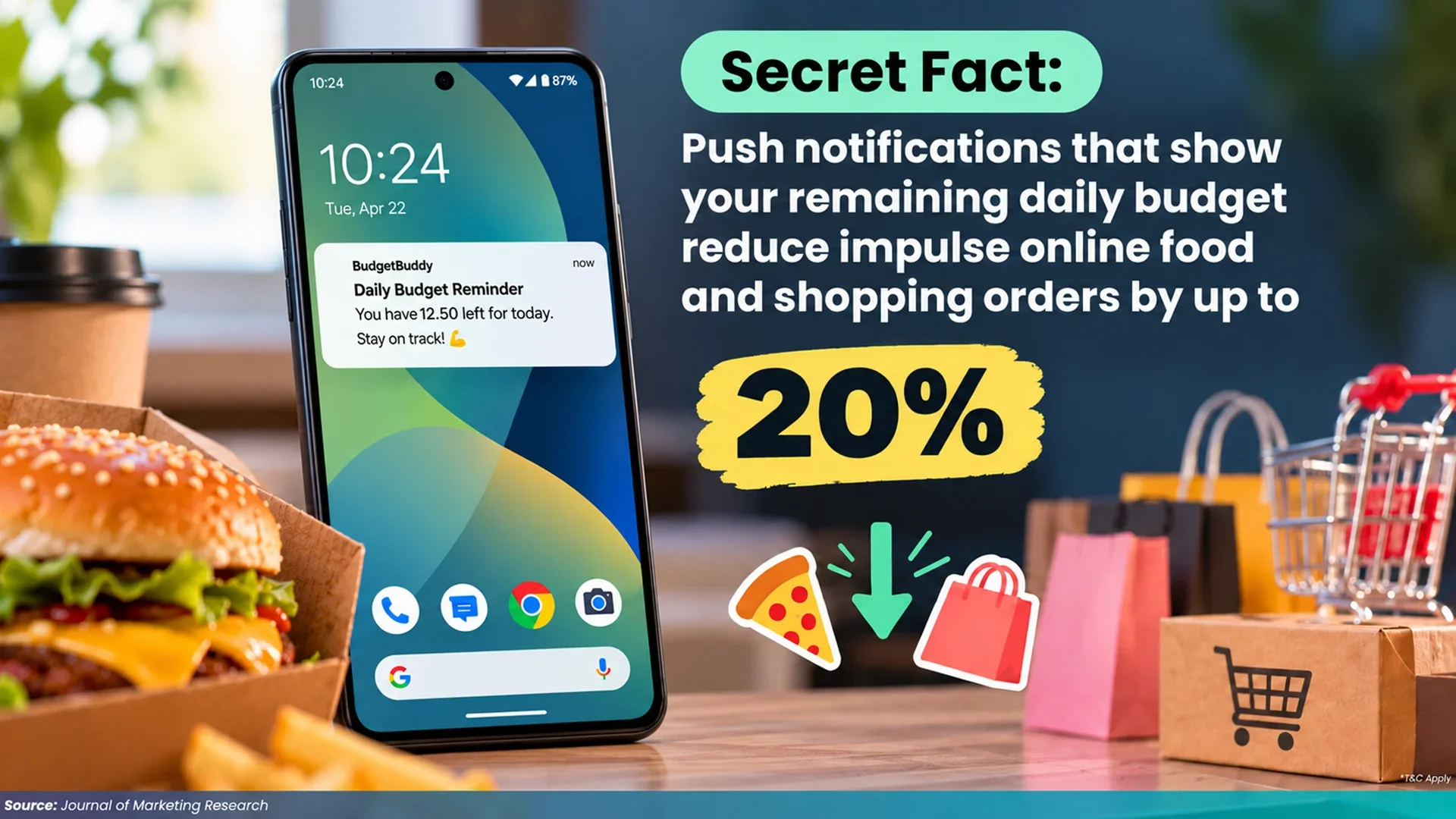
Push Notifications and Impulse Spending

An Easy Comparison Chart of App Types

App Type Primary Aim Good For Points to Consider
Classic Banking App Balance inquiry, payments, transfers Daily banking needs Depending on your bank, the features you get can vary greatly.
Digital Bank (Neobank) The complete banking experience, without the branch. People who want a 100% digital, paperless experience Fewer cash deposit options, no physical branches
Budgeting and Planning Software Tracking spending and setting savings goals People who want to better control their monthly expenses Usually needs to link up with your main bank account to work fully
Application in Investment and Fintech Buying insurance, gold, mutual funds or stocks People looking to grow their money over time Market risk on investment products, so choose carefully.

Features Worth Looking For Before You Choose an App

Essential Features for Every Good Banking App Should Have

With so many finance and banking apps these days, choosing the right one can be a bit overwhelming. Here are the features that actually matter explained simply.

  • Strong Security: Choose platforms that have enterprise-grade encryption, two-factor authentication, biometric login, and auto session timeouts for apps that aren’t in use.
  • Easy to Use: A cluttered or confusing app will steer people away from using it regularly. Deep functionality is as important as ease of use and clean navigation.
  • Automatic Spending Categorisation: Forget about tracking manually. This feature alone provides you with an accurate, real-time breakdown of your financial habits, with no extra effort on your part.
  • Goal-Setting Tools: A good platform will allow you to set up specific goals, like an emergency fund, travel savings or an investment target, and it’ll automatically show your progress as it compounds.
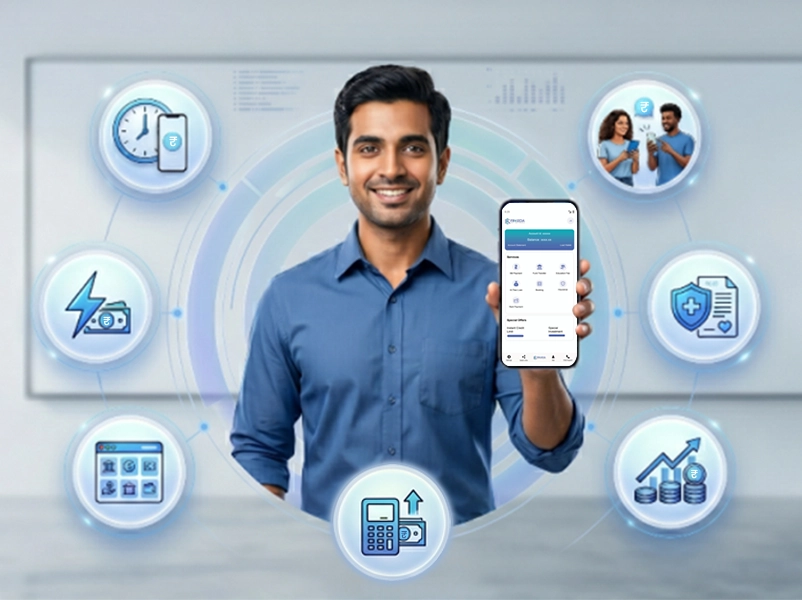
  • Unified Financial Ecosystem: Apps that bring together bill payments, credit management, loans and wealth advisory in one place save you the hassle of multiple logins. Finkeda is a platform that brings all of these important tools together in one dashboard so you can easily manage your daily expense.
  • Responsive Human Support: For your money you need to be able to quickly reach knowledgeable support agents and not be stuck in loops with basic automated chatbots.
  • Transparent Pricing: Always verify that the platform maintains zero hidden charges for standard transfers, service access, or account maintenance before committing to daily use.

Are Banking Apps Actually Safe to Use?

This is probably the most common concern people have, and it is a totally fair question to ask. The reassuring news is that reputable finance and banking apps like Finkeda take security very seriously. This is mainly because trust is the entire foundation of their business.
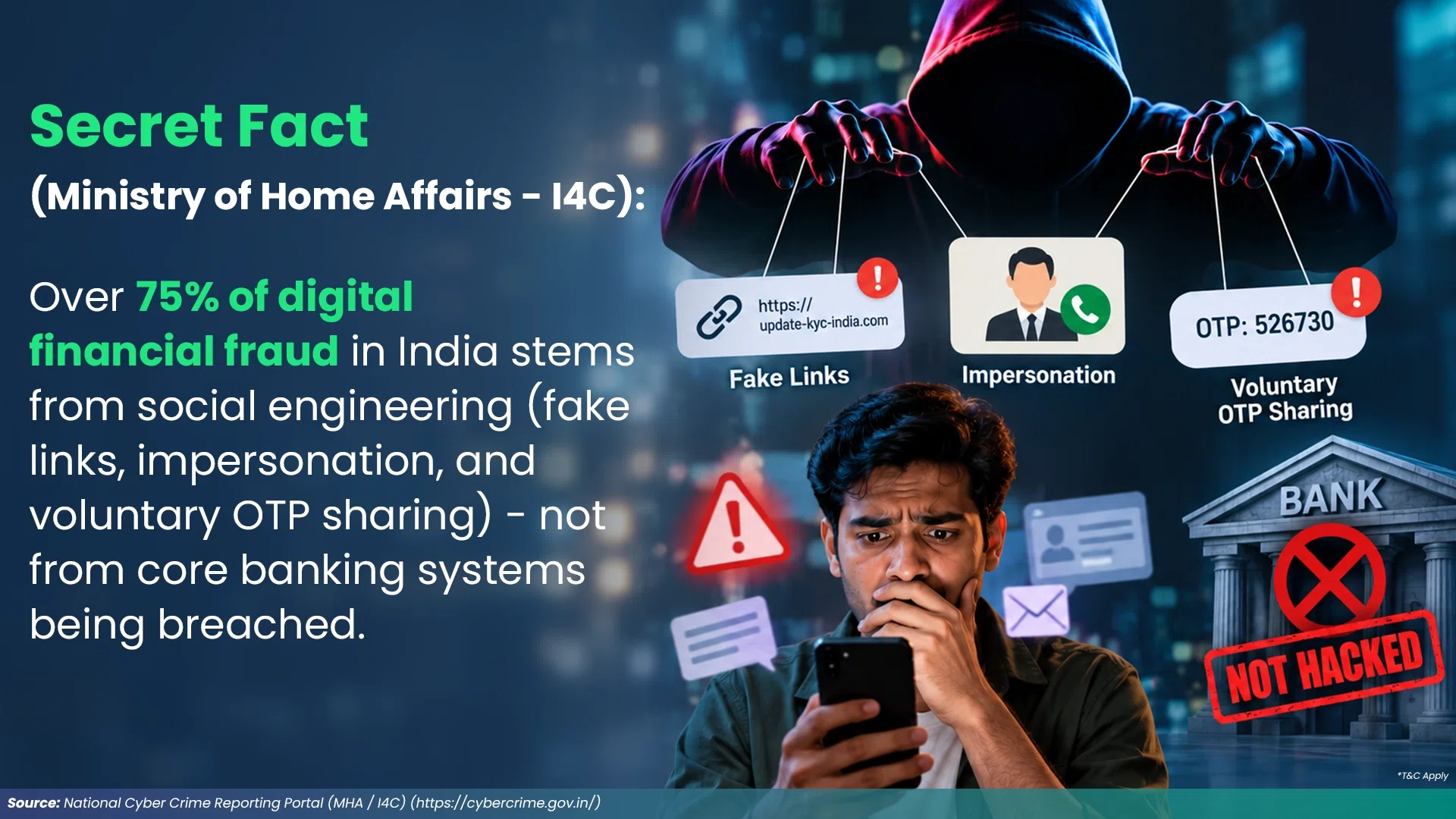
Digital Financial Fraud through Social Engineering

Here is what generally keeps your money and data safe.

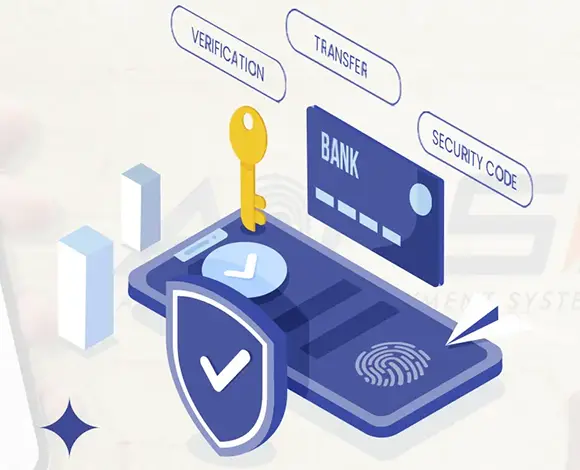
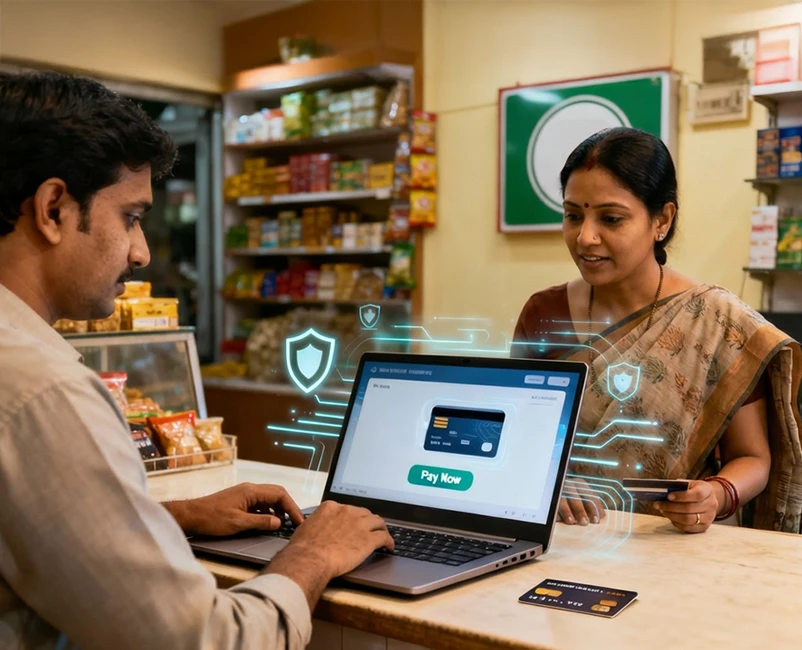
  1. Encryption. Good apps encrypt your data both as it travels across the internet and when it’s sitting on the app’s servers, making it extremely difficult for outsiders to read or misuse.
  2. Multi-factor authentication Most of the apps will need more than a password. They will ask for a one-time password, a fingerprint scan or a face scan before any transaction is made.
  3. Regulation. In India, banks and many fintechs are regulated by the Reserve Bank of India, which has strict rules on how customers’ money and data should be protected.
  4. Systems for detecting fraud. Many apps have automated systems that will spot and flag suspicious activity  like a large transaction from a new device or location  and stop it until you confirm it was really you.

That said, safety is not just the application’s responsibility; it’s also yours. A couple easy habits go a long way.

  1. Always download apps from the official Google Play Store or official Apple App Store, not from an unknown link or a message sent to you.
  2. Do not give your one-time password, PIN or password to anyone, even if the caller says they are from your bank.
  3. If the app provides it, turn on biometric login and two-factor authentication.
  4. Do not use banking apps when you are on public or unsecured Wi-Fi networks, which are easier for malicious actors to intercept.
  5. Keep your phone’s operating system and banking apps updated to the latest versions; updates often patch newly discovered security vulnerabilities.

And when you add in good security on the app side and common sense habits on your side, finance and banking apps are actually pretty safe for everyday use and often safer than walking around with a bunch of cash or leaving physical papers lying around the house.
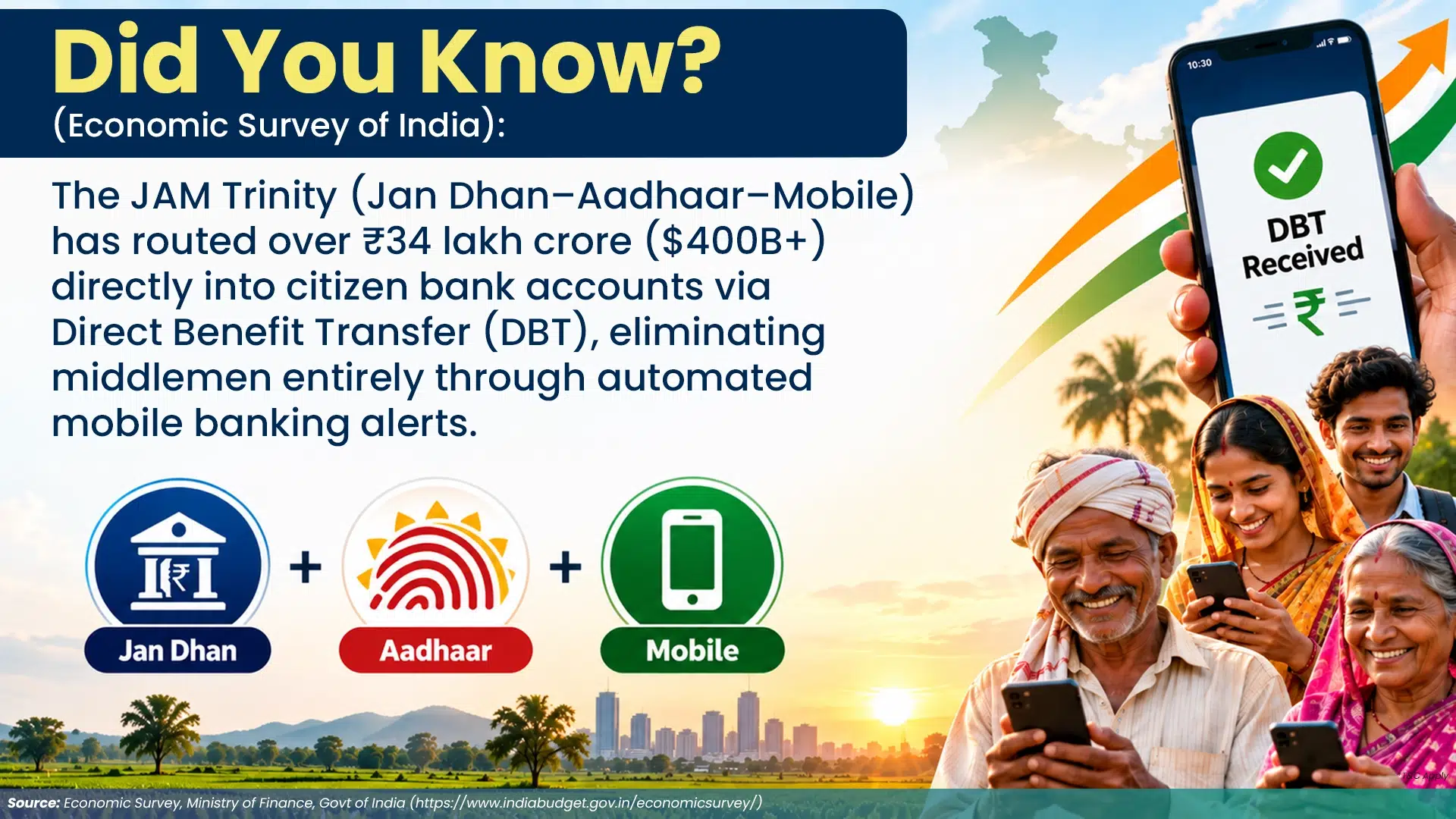
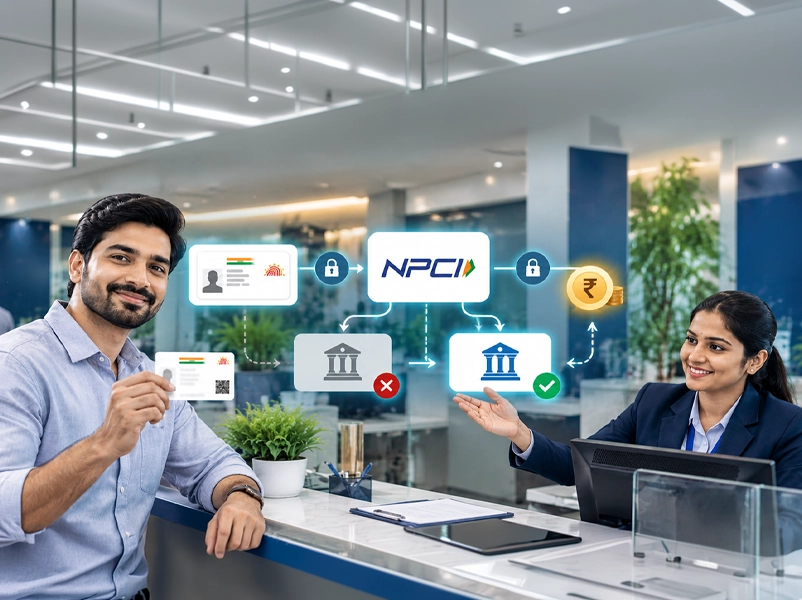
JAM Trinity and Direct Benefit Transfer in India

How These Apps Are Reshaping Financial Habits Overall

But the trend is also part of a broader transformation in how households manage their financial lives, with modern fintech platforms driving this change. One can see a few important changes:

  • Automated Discipline versus Willpower: Consistent saving is no longer a manual effort. Automated recurring deposits and SIPs build wealth instantly on salary day before you spend it on discretionary items.
  • Clear Visuals and Real Time Awareness: It transforms abstract bank statements into clear, interactive breakdowns, helping users track where every rupee goes without manual budgeting.
  • “The app provides clear, interactive breakdowns of complex bank statements, allowing users to track where every rupee is going without the need for manual budgeting.
  • Democratised Access to Institutional Tools: Advanced wealth products, curated mutual funds and custom credit solutions are no longer the domain of tier-1 corporate hubs. Finkeda and other innovative platforms are driving this democratisation by connecting sophisticated financial advisory services with everyday users in India. Finkeda provides end-to-end access to personalised lending, expert investment advisory and seamless goal-based planning, delivering institutional-grade financial guidance at everyone’s fingertips.
  • Collaborative Family Planning: Multi-goal dashboards enable families to coordinate joint milestones, to manage household budgets transparently, and to keep aligned on long-term wealth creation.

FAQs

1. What are finance and mobile banking apps?

Finance and mobile banking apps are applications on your smartphone that let you manage your money without visiting a physical bank branch. This includes checking your balance, transferring funds, paying bills, tracking your spending, and often, investing in mutual funds or buying insurance, all from a single screen on your phone.

2. What are the benefits of using finance management apps?

The biggest benefits are convenience, visibility, and automation. You can see all your accounts and spending in one place, receive instant notifications whenever money moves, automate your savings and investments so you never forget, and complete most financial tasks in seconds instead of standing in a queue or filling out paperwork.

3. What features should I look for in a finance management app?

Look for strong security features, such as two-factor authentication and biometric login; a simple, clear design that is easy to navigate; automatic spending categorisation; clear goal-setting tools; a wide range of services under one app; responsive customer support; and full transparency around any fees the app might charge.

4. Are banking apps safe to use for managing finances?

Yes, reputable banking apps are generally very safe, since they use encryption, multi-factor authentication, and fraud monitoring, and many operate under strict regulatory oversight such as that of the Reserve Bank of India. That said, safety also depends on your habits, so always download apps only from official app stores, never share your OTP or password with anyone, and keep your apps updated to the latest version.

Disclaimer: This article is for informational purposes only and does not constitute financial, investment, or legal advice. Financial products, including loans and mutual funds, are subject to market risks, regulatory terms, and individual eligibility. Finkeda facilitates access to regulated financial partners and certified advisors; terms and final approvals are governed by respective institutions. Please read all official scheme and product documents carefully before investing or borrowing.

This blog is intended solely for educational and informational purposes. Content reflects data at time of publication and may not accurately reflect current premiums, terms, or regulations. Readers are encouraged to confirm the accuracy and relevance of the data before making any significant decisions.

Finkeda

Similar Blog

Finkeda

Similar Blog

Finkeda

Leave a Reply

Your email address will not be published. Required fields are marked *

Finkeda

Recent Blog