

Jul. 18, 2025

6 Min read

Digital Banking

Share :


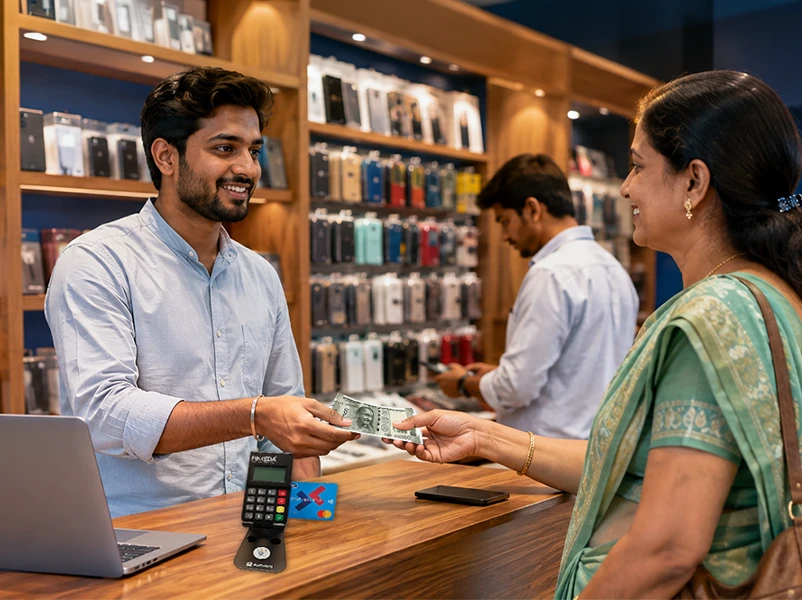
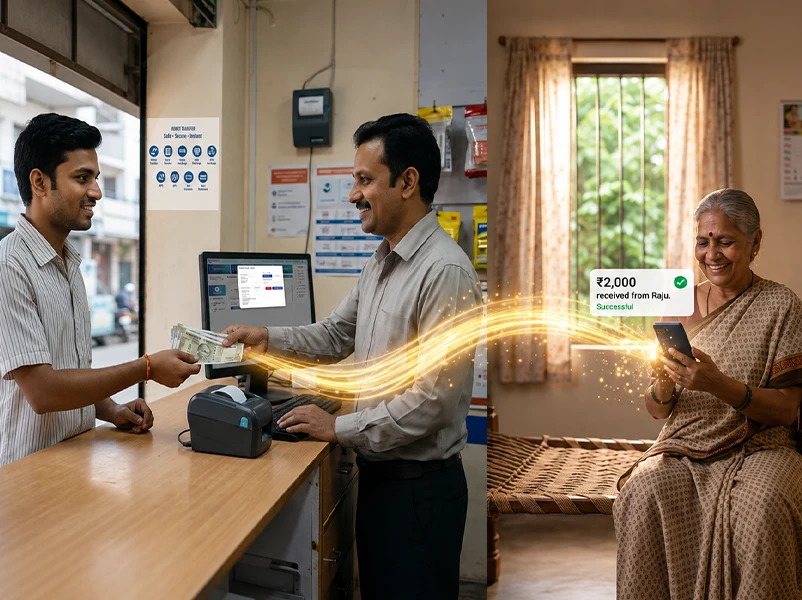
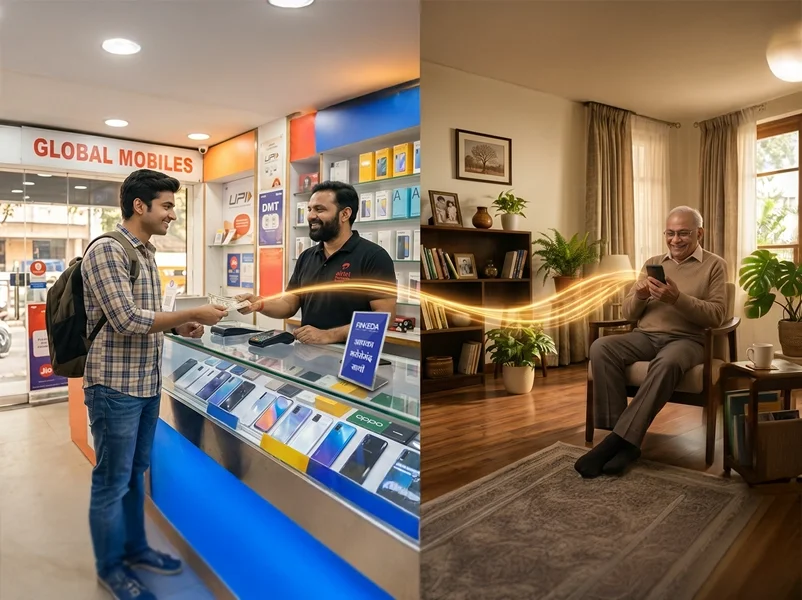
India is currently home to 142 crore people with access to better banking services than at any point in the past. Earlier, customers had to make multiple visits to their bank and stand in the long queue just to transfer money. Online money transfer, however, is now making money transfers simple and convenient.
In 2026, India’s digital payments system has grown to a level where UPI alone is handling over 23 billion transactions every month, with a value of more than ₹29.9 lakh crore. It shows how quickly digital payments have become part of everyday life across the country.
Today, digital transactions are the most common way people pay, covering more than 95% of regular consumer payments. As this shift continues, it also brings attention to things like the benefits of online money transfer, the easiest way to transfer money online, and how safe these transactions are in practice.
Online money transfer, or electronic funds transfer refers to sending money from one account to another through the internet. You can send it from your personal computer, laptop, or smartphone without leaving your home or visiting the bank.
From a money order via post to a money transfer via the internet, digital banking is making it easier to move funds. Whether you are a renter sending rent to the tenant, paying a friend back for dinner, or sending money to your parents, you can send money transfers online with speed, comfort, and ease.
Here are all the benefits of online money transfer you must know before transferring your money online:
There are many online money transfer options in India that you can choose based on your convenience and need.
UPI has had a remarkable 2026. May alone recorded 23.2 billion transactions worth ₹29.90 lakh crore, numbers that reflect just how deeply it has embedded itself into everyday financial life in India.
For most people, it has simply become the default way to pay. A UPI ID linked to a bank account is all it takes. Apps like PhonePe, Google Pay, Paytm, and BHIM handle the rest, money transfers in seconds, no branch visit, no waiting.
And the experience is frictionless. No long account numbers to type out, no IFSC codes to remember. Just a UPI ID, a tap, and it’s done.
NEFT, short for National Electronic Funds Transfer, is a bank-to-bank transfer. It is best when you are transferring money to someone’s bank account and do not want to use apps. It can be done via Internet banking or mobile banking.
If you want to send money instantly, IMPS is the best option as it is quicker than NEFT. IMPS transfers are settled in real-time. It is also available 24×7, including Sundays and all bank holidays. Here is how to transfer money via IMPS:
If you need to send a large amount of money (typically ₹2 lakh or more), RTGS is the best online money transfer method. Unlike IMPS, it works with large amounts. This is why it is popular among companies and business owners.
Apps such as Paytm, Amazon Pay, and Mobikwik allow you to add money to your wallet and send money online using a mobile number. While these are not bank transfers, they are useful when you need to make small payments, such as mobile recharges or bill payments.
Electronic Funds Transfer or ETF is a broad term for all electronic modes of funds transfer, like UPI, NEFT, IMPS, etc. It simply refers to any transfer of money made electronically, with no cash or cheque involved.
There are 2 best ways to transfer money online: UPI and Electronic Funds Transfer. While UPI offers more convenience and easy accessibility, it also has limitations as you can only transfer up to ₹1 lakh. This is where electronic fund transfer proves more useful, as you can send higher amounts.
How to Transfer Money Online via NEFT, IMPS or RTGS?
Most online money transfers are free of cost or charge a very small fee:
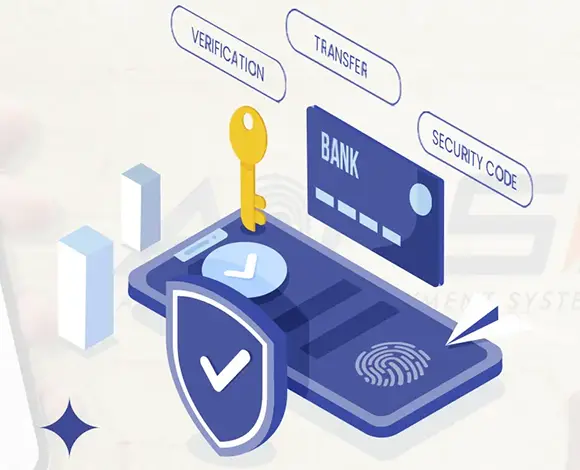
Safety is the biggest concern for most people when transferring money online. Online money transfers are safe as they are safeguarded by two-factor authentication, OTPs, passcodes, and more. However, they are still susceptible to fraud as they are online. Banks and mobile apps do a good job of encryption, but human error is the vulnerable point. So stay alert always.
Even though online transfers are safe, you need to be careful to protect your hard-earned money. Here’s how to make your online money transfer process go smoothly and securely:
Online money transfers are a part of our lives, whether transferring money to a shop, a friend, or purchasing online. The best way to transfer money online depends on the amount you want to send, the associated charges, the urgency, and your needs.
No, you cannot. UPI apps need you to link a bank account to send or receive money. Some wallet apps, such as Paytm, permit small wallet balance transfers without a linked bank.
NEFT is batch-based and may take up to 2 hours during banking hours. If it is done after banking hours or on holidays, it will be done on the next working day.
If the UPI ID that you entered is valid, then the amount will be credited to that person and will be difficult to get back. Hence, it is always necessary to verify the UPI ID and details displayed before sending money.
No, internet transfers are irreversible and instantaneous. You can contact your bank or the app’s support team, but there is no assurance unless the receiver agrees to return your money.
Yes. There is a daily limit (typically ₹1 lakh a day) with UPI. IMPS, NEFT, and RTGS also have bank-imposed limits. You can see and change them with your bank’s app or net banking.
You can transfer money using UPI, NEFT, IMPS, or net banking by adding the receiver’s details and confirming the payment through OTP or PIN.
UPI is widely used in India as it allows instant, secure, and simple transfers directly through a mobile app.
Yes, money can be transferred online using UPI or internet banking without visiting a bank branch.
Share :
Like:
2





































Actually right now I am a retailer to MOS Utility and some other Distributors but now I want to start my journey with your company can we have a detailed discussion